
Beginner
How to Catch Snapper on Jigs: A More Relaxed Guide
Want to catch more snapper on jigs? Learn about different jig styles, the gear you need, and simple techniques to help you catch more fish on your next trip.
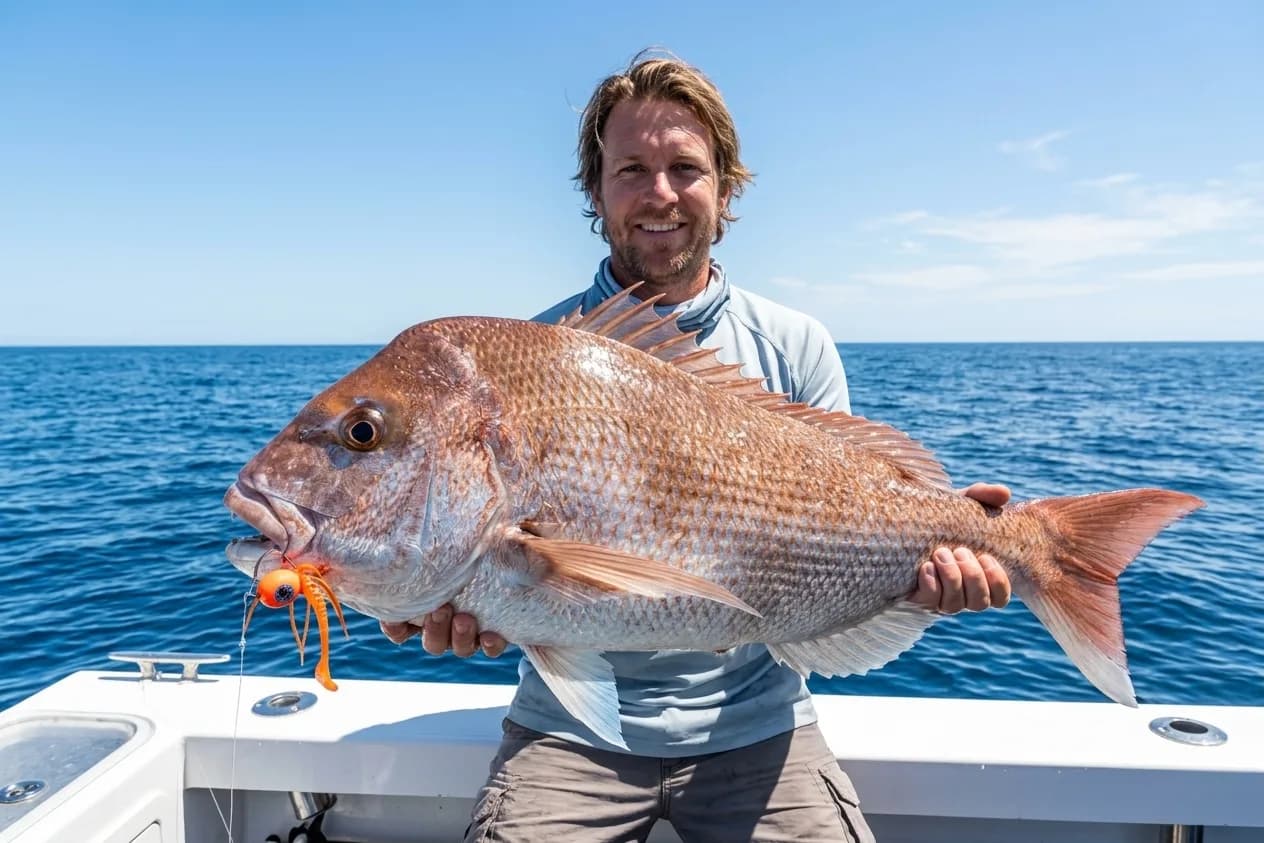
Catching snapper on metal jigs felt almost like magic when we first started doing it back in the mid-1980s. Back then, lures like Lethal Lures and Grim Reapers were opening up a whole new way to catch fish.
Things have come a long way since then. Braided line changed the game, and these days there’s a huge range of metal jigs in different shapes, colours and weights. Whether you’re fishing shallow reefs or dropping lures into deep water, there’s a jig for the job.
So, which ones should you use, and how do you get the best out of them? Let’s take a look at five popular options: microjigs, flutter jigs, slow-pitch jigs, knife jigs and slowjigs.
Microjigs: Small Lures, Big Surprises
If you enjoy lure fishing, it’s worth keeping a few microjigs in your tackle box. These little lures usually weigh between 7g and 35g, but don’t let their size fool you.
Think of a microjig as a small piece of chocolate. It might look tiny, but if it looks tasty enough, who’s going to turn it down? Snapper certainly don’t seem to mind!
Of course, there’s a downside. When there are plenty of undersized snapper around, a microjig can attract one little fish after another. It can get frustrating pretty quickly. But just when you’re ready to give up, a big snapper might come along and make all that effort worthwhile.
If you’re constantly hooking small fish, try moving to another area where the snapper are bigger.
Because microjigs are light and usually fitted with small hooks, they work best with light, flexible spinning rods rated around 3–6kg. Go too heavy with your gear and you risk bending the hooks or pulling them out of the fish’s mouth.
A suitable reel should hold around 200 metres of 3–7kg braid, with a 2–3 metre fluorocarbon leader rated at 10–20lb.
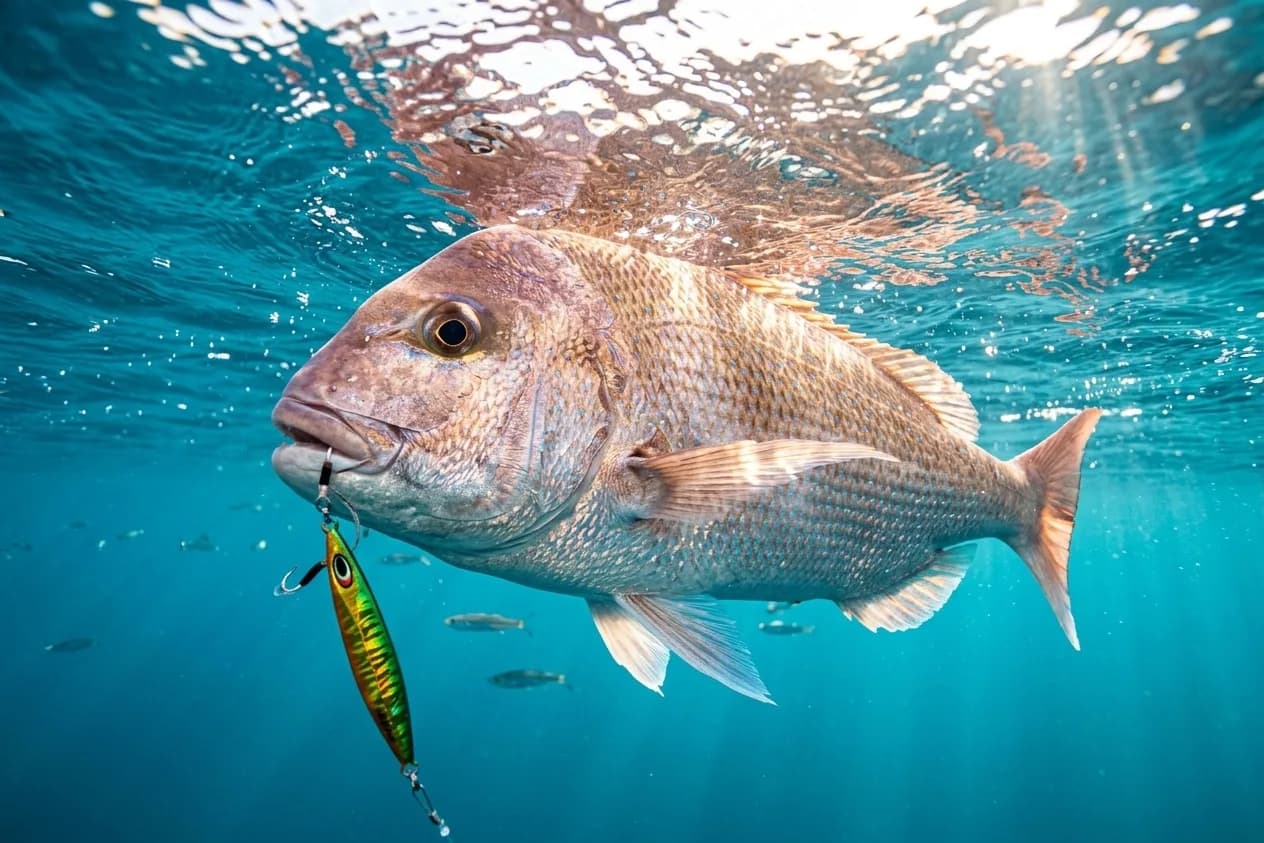
When and Where to Use Microjigs
Microjigs really come into their own when small baitfish are around. They’re great at matching the size and appearance of the bait that predators are already feeding on.
The bonus? You never quite know what’s going to grab one. Along with snapper, you might hook trevally, gurnard, kahawai, various types of mackerel, kingfish, blue cod, trumpeter and plenty of other species.
Depth matters, too. Wider, flatter lead-alloy microjigs flutter nicely on the way down and are well suited to water around 5–15 metres deep. More streamlined tungsten models sink much faster and can reach depths of 50 metres or more in suitable conditions. There have even been reports of small tungsten jigs catching big tarakihi at depths of around 80 metres.
Cooler water is another good time to give microjigs a go. When the water temperature drops, snapper metabolism slows and they may become less interested in chasing food. A small jig fluttering past can still be tempting enough to get a bite.
How to Fish a Microjig
One of the simplest methods is to drop your jig into water around 10–20 metres deep and work it close to the bottom using short, sharp, irregular movements.
The idea is to imitate a small, injured baitfish. You don’t need huge rod sweeps or fast, aggressive movements. In fact, smaller actions are often better, particularly in murky water where snapper may struggle to track a lure that’s moving too quickly.
You can also cast a microjig out and retrieve it along the bottom, much as you would fish a softbait. Keep the movements short and twitchy, and don’t forget to pause occasionally. Those little breaks can be exactly when a snapper decides to strike.
Another option is to cast a microjig behind a drifting boat, let it sink to the bottom, then drag it across the seabed. As it scrapes along, it kicks up little clouds of sand and silt that can attract curious snapper.
This method can work particularly well if you prefer leaving your rod in a holder rather than constantly working the lure yourself.
Just take a little care with your setup. Make sure the rod sits at a safe angle in the holder, ease off the drag a bit, and protect any exposed rod butt. Otherwise, a hooked fish pulling hard against a badly positioned rod can put too much pressure on one spot and snap it.
Flutter Jigs: Let the Drop Do the Work
Flutter jigs, sometimes called butterfly jigs, are generally wider and flatter than other metal lures. Their main attraction is the way they flash, wobble and dart unpredictably as they sink.
For snapper fishing, weights of around 20–150g are common. There’s some overlap between flutter jigs and slow-pitch jigs, and many lures can do both jobs. The assist hooks you fit, including their size and position, can make a real difference to how the jig behaves on the way down.
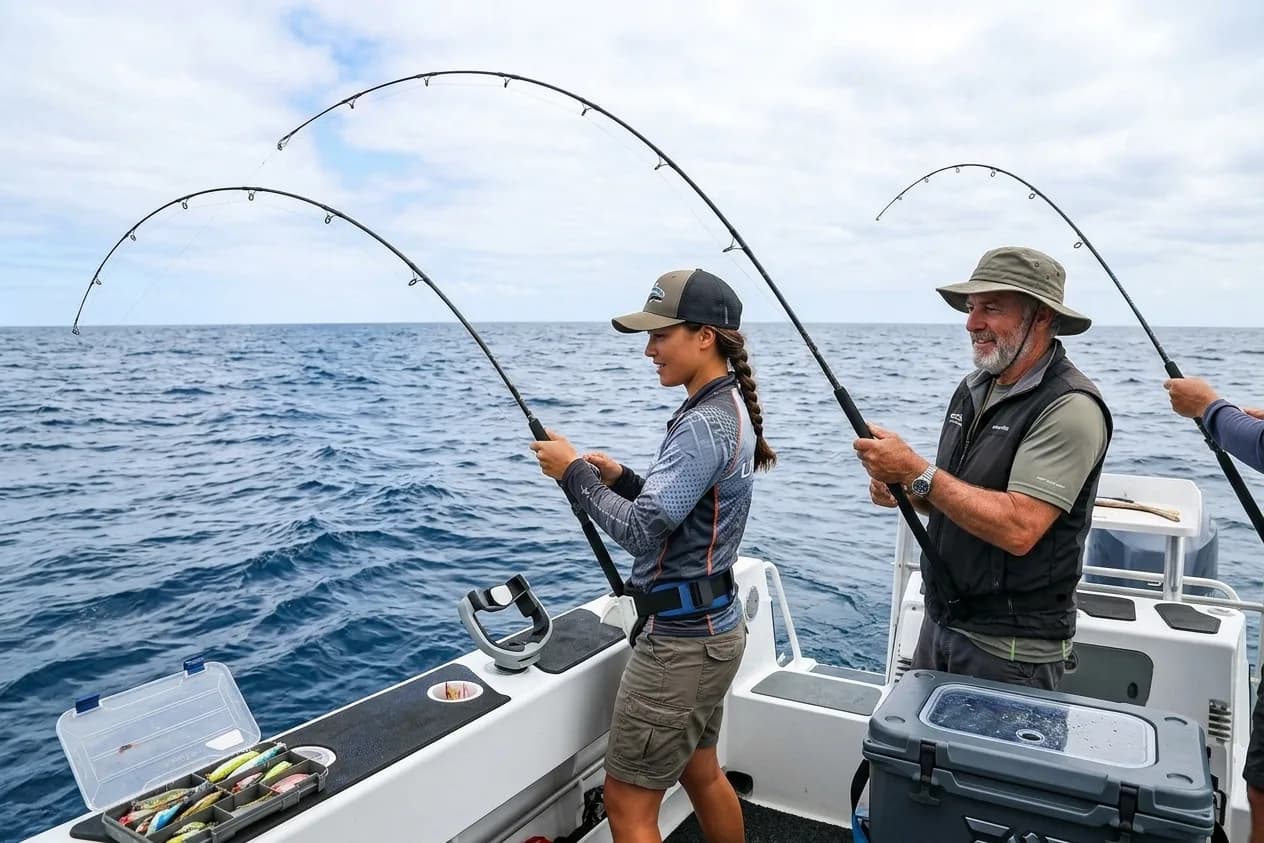
You can fish flutter jigs with most light jigging rods rated around 6–10kg. A rod measuring roughly 6'6"–7' is a good choice, as the extra length gives you more room to work the lure and helps create an attractive action during the drop.
Both spinning and freespool reels work well. Aim for around 200–300 metres of 15–20lb braid, with a 2-metre fluorocarbon leader rated at 20–40lb.
Finding the Right Conditions
Because their broad shape creates plenty of resistance in the water, flutter jigs sink more slowly than slimmer designs. That makes them particularly useful in depths of around 10–30 metres.
Having baitfish nearby certainly helps, but it isn't essential. If your fishfinder shows snapper holding above the bottom, they're worth targeting with a flutter jig.
Their slower descent can actually be an advantage in this situation. While they aren't ideal for getting down quickly into deep water around 40–50 metres, snapper feeding higher in the water column can be excellent targets. And when a fish grabs the lure as it flutters down, you'll understand why so many anglers love this style of fishing.
A relatively light rod with a nice parabolic bend is ideal for working these lures.
How to Fish Flutter Jigs
You can catch snapper using several different retrieves, but there's one trick worth trying first: cast the jig ahead of your boat's drift rather than dropping it straight down.
The deeper the water and the stronger the current, the further ahead you may need to cast.
Why? Flutter jigs generally work best when they move up and down through the water. If the current pulls the line too far sideways, the lure ends up moving more horizontally and loses some of its natural falling action.
Once you've cast, keep an eye on the line as the jig sinks. Many bites happen on the drop, and they can be surprisingly easy to miss. The line might suddenly go slack, twitch sharply a couple of times, or start running away from you.
Whatever happens, react quickly and strike to set the hooks.
If you're using a freespool reel, you may need to control the spool with your fingers before striking, then engage the gears. Timing matters here. If the line is already racing off the spool, engaging the reel carelessly can cause a nasty backlash.
If the jig reaches the bottom without getting eaten, don't worry. You still have options.
Try lifting and dropping the rod repeatedly in a yo-yo motion, or use a mechanical jigging technique: lift the rod, wind the handle once, lower the rod and repeat. Four to around 10–12 handle turns are often enough before dropping the lure back down.
Feel free to switch between the two methods until you find what the fish prefer. And keep watching the line throughout the retrieve, because bites can happen at almost any point.
Slow-Pitch Jigs: A Versatile Option for Different Depths
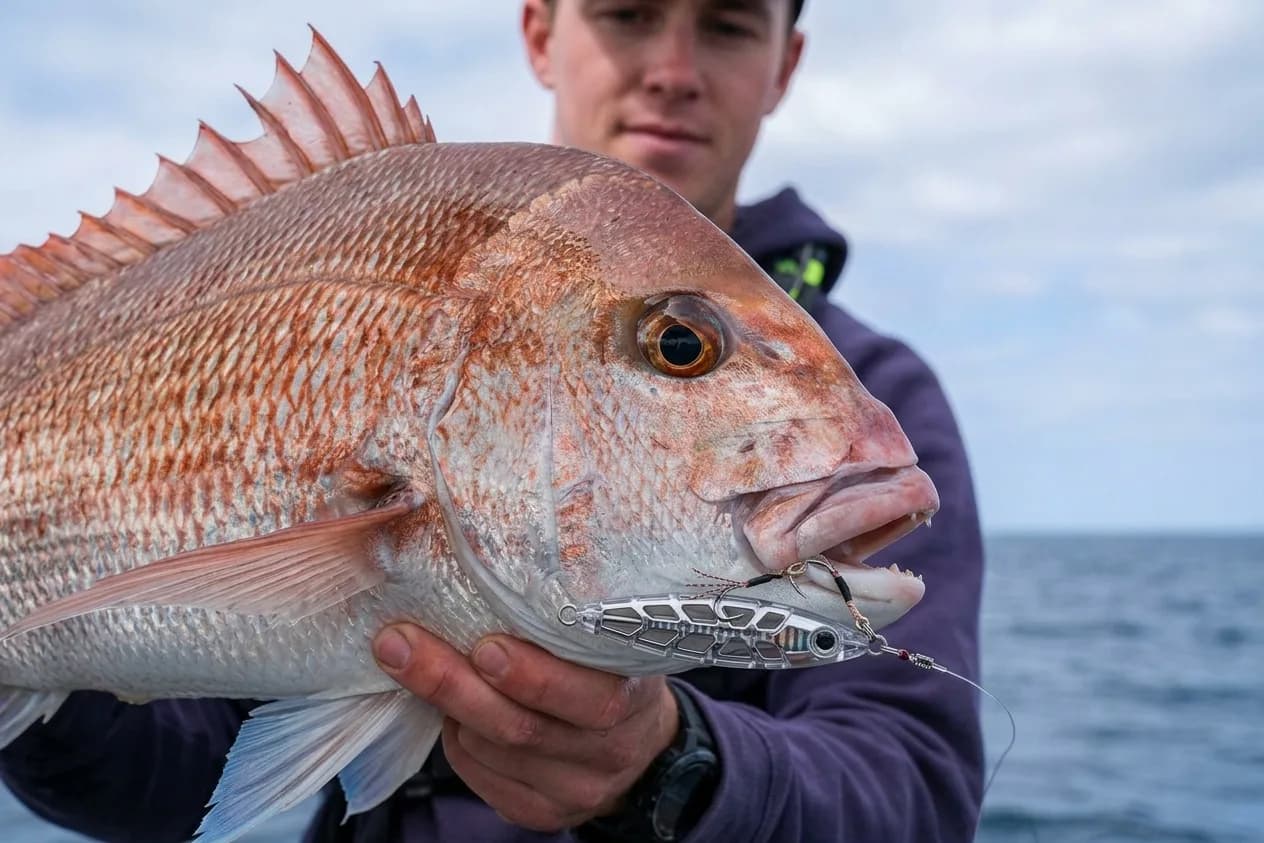
Slow-pitch jigs share plenty of features with flutter jigs, but you'll find them in a wider variety of shapes, from broad and fluttery designs to long, slim profiles.
They're designed to fall in a more horizontal position, particularly when fitted with assist hooks at both ends. This balanced setup helps the jig glide and flutter rather than simply dropping straight down.
The range of available weights is impressive, too. Even a 200g slow-pitch jig can be effective in the right conditions, making this style useful in everything from shallow water to depths of 100 metres or more.
A good starting point is to choose a weight that suits the depth you're fishing. Lighter jigs generally work well in shallow water, while heavier models help you reach the bottom in deeper areas.
That said, don't treat this as a strict rule. Current, drift speed and the behaviour of the fish can all influence which weight works best.
Choosing Your Gear
Both spinning and freespool outfits are suitable for slow-pitch jigging.
Spinning gear is handy when you need to wind the lure back up quickly and get it back into the water. Freespool reels, on the other hand, can give you better contact with the lure during its descent.
Around 200–300 metres of 15–20lb braid is a good starting point. Choose a reasonably long rod that lets you lift the jig a decent distance before following it back down. Fluorocarbon leader strength can range from 15–40lb, depending on the weight of the jig and the conditions.
When Slow-Pitch Jigs Work Best
With so many shapes and weights available, there's usually a slow-pitch jig that can handle the conditions you're facing.
They're particularly effective when baitfish are active nearby, but you don't need a major feeding frenzy to make them work.
The same techniques used with flutter jigs can be applied here, although experienced slow-pitch anglers often use a slightly different retrieve. Instead of making a full turn of the reel handle with every lift and drop, they wind only about half a turn.
This keeps the jig in the water column for longer, which is useful when targeting snapper. Unlike some predators, snapper often spend much of their time within a few metres of the seabed.
Getting the Most Out of a Slow-Pitch Jig
Start by dropping the jig down and working it with controlled lifts and drops. Keep the movements smooth enough to let the lure do its thing, and experiment with your winding speed.
You don't need to retrieve the jig all the way to the surface every time. Since snapper often feed close to the bottom, working the lower part of the water column can be a smart approach.
Pay attention to what's happening around you, too. If the fishfinder shows bait or snapper holding at a particular depth, adjust your retrieve to spend more time in that zone.
Knife Jigs: Get Down Fast in Deep Water
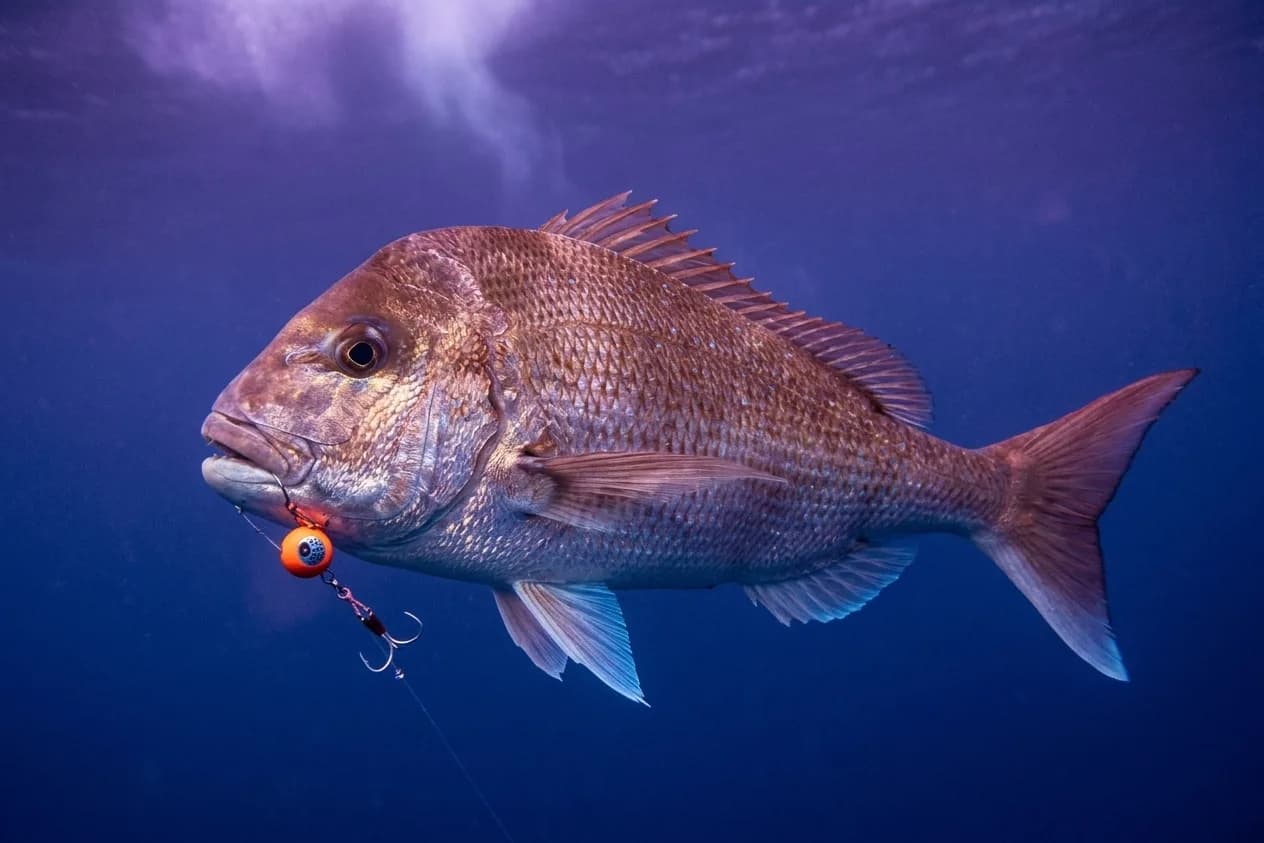
Knife jigs are long, slim and built to sink quickly. Their streamlined shape helps them cut through the water with relatively little resistance, making them especially useful in deep water or strong currents.
They also come in handy when you're fishing around schools of hungry kahawai or small kingfish. These fish can attack a descending lure before it reaches the snapper below, so a fast-sinking knife jig gives you a better chance of getting past them.
Unlike wider flutter and slow-pitch jigs, knife jigs tend to hold a more vertical position in the water. The current has less surface area to push against, which helps keep the lure closer to the line.
There is one important distinction, though. Some slim slow-pitch jigs look very similar to knife jigs, but fitting assist hooks at both ends can change their falling action. Instead of sinking quickly and vertically, they may glide down more slowly in a horizontal position.
Traditional knife jigs don't have a great deal of built-in action. Surprisingly, that can be a good thing: their relatively simple movement can make it easier for fish to grab them.
For snapper, weights of around 60–120g are common.
Gear and Fishing Depth
Your usual spinning or freespool jigging outfit will generally do the job. However, knife jigs can attract some decent kingfish, too, so a shorter rod may be useful when you need more leverage during a fight.
Depths of around 20 metres to 100 metres or more are worth exploring.
In shallower water, some murkiness and current can help reduce the visibility of the boat overhead. Flatter-sided knife jigs are generally better suited to depths of around 20–50 metres, while rounder designs can work well from roughly 30 metres down to 100 metres or more.
They're also excellent when fish are feeding aggressively in a workup. Their fast descent lets you get a lure into the action quickly, and both snapper and kingfish are keen to take them.
How to Work a Knife Jig
A simple yo-yo retrieve, repeatedly lifting and dropping the rod, can catch fish. But mechanical jigging is often more productive.
As with other jigs, you can mix the two techniques to see what works best.
When fishing deeper water, lighter knife jigs and flatter designs may need to be cast well ahead of the boat's drift. This gives the lure more time to work vertically before the current catches the line and pulls it sideways.
Retrieval speed matters, and so does the number of turns you make before dropping the jig again.
I like to start slowly, with around six to 10 handle turns, then adjust according to what's happening. If the fishfinder shows fish at a certain depth, I'll concentrate on that area. If someone else on the boat starts catching fish, I'll pay attention to what they're doing, too. There's no shame in borrowing a good idea when the fish are biting!
If kingfish start appearing on the fishfinder or your fishing mates begin hooking them, try increasing both the speed of your retrieve and the distance you lift the jig before dropping it again.
Hooking a kingfish on relatively light jigging gear can be a real buzz, especially when you're fishing over a reasonably clear seabed.
Slowjigs: A Different Way to Catch Snapper
Slowjigs are another popular option, although the different styles overlap quite a bit. For simplicity, we'll split them into three main types: inchiku, madai and kabura.
Inchiku jigs are generally longer and more fish-shaped than the other two styles. They commonly feature an assist-hook rig around the middle of the lure, often incorporating a small plastic squid.
Madai jigs usually have assist hooks and flexible tentacles trailing from the back of the lure.
Kabura jigs, often called sliders, use a separate head with a hole through it. The hook rig and trailing tentacles can slide relative to the head as the lure descends.
Each style has its own look and movement, but there's no need to get too caught up in brand names. Most established brands produce effective lures. The more important decisions are usually the colour and weight you choose for the conditions.
Weight is particularly important. Your jig needs to reach the bottom and stay close enough to it to attract snapper. If the current keeps sweeping the lure up off the seabed, you'll generally catch fewer fish. When you're unsure which weight to use, going a little heavier is often the sensible choice.
The Right Rod Makes a Difference
Typical 15–20lb jigging outfits work well with slowjigs, whether you prefer spinning or overhead gear.
The rod, however, deserves a little extra attention. Because these lures often use relatively small hooks, a rod with a soft, forgiving tip is ideal.
Even strong hooks can bend or pull free when too much pressure is applied. A flexible tip helps absorb sudden movements and reduces the shock placed on the hooks, improving your chances of keeping the fish connected.
Kabura-style jigs deserve a little more care with leader selection. Their separate heads can bounce around when a hooked fish shakes its head, potentially rubbing against and damaging the fluorocarbon. A slightly heavier leader can help protect against this.
Where to Fish Slowjigs
Slowjigs can work in a wide range of depths, from around 10 metres to well over 100 metres.
In shallow water, having some current and murkiness can help conceal the boat overhead, making conditions more favourable.
An active workup can produce fast and exciting fishing, but it's certainly not the only time to use these lures.
Try dropping a slowjig when your fishfinder shows fish nearby. And don't automatically give up if the screen looks empty. Snapper often spend their time rummaging around on the seabed for food, including shellfish, marine worms, mantis shrimp and flounder. Fish feeding this way can be surprisingly difficult to spot on a fishfinder.
Sometimes, the best approach is simply to put a lure where you know snapper are likely to be feeding and give them a reason to bite.
Dragging a Slowjig Along the Bottom
One surprisingly effective method is to drag a slowjig across a sandy seabed.
Let the lure reach the bottom, then allow it to trundle along as the boat drifts. The head and hooks kick up little clouds of sand, which can attract the attention of snapper feeding nearby.
It's a handy technique if you'd rather let the boat do some of the work instead of constantly moving the rod yourself.
Just remember the same precautions that apply when dragging microjigs. A badly positioned rod holder, an unprotected rod butt or an overly tight drag can all put excessive pressure on the rod and lead to a breakage.
Working the Lure Yourself
Traditional slowjigging advice often recommends steadily winding the lure up from the bottom, usually through a distance of around 5–20 metres depending on the depth and conditions.
Anglers are also often told not to strike immediately when they feel a bite. Instead, the advice is to speed up the retrieve slightly or lift the rod more quickly, helping the hooks stay attached to the fish.
Personally, I've always preferred sticking with mechanical jigging. The repeated lifting and dropping keeps the lure moving enticingly through the water for longer, and because you're lifting the rod with each cycle, there's also a chance of setting the hooks as part of the movement.
There's no need to assume one method will always outperform the other. Try different retrieves and see what the fish respond to on the day.
Final Tip: Keep Experimenting
One of the most interesting things about jig fishing is just how much difference a small change can make.
A different lure shape, a slightly heavier jig or even a new colour can turn a quiet session into a productive one. Sometimes you'll be catching nothing while your mate is hooking snapper after snapper, and the answer might be as simple as switching to a similar lure in a different weight.
The key is to stay flexible. Pay attention to the depth, current, baitfish activity and where the snapper are holding. Change your retrieve when necessary, and don't be afraid to try something different.
There are plenty of ways to catch snapper on metal jigs. Once you understand how each style behaves in the water, you'll have a lot more options the next time you head out fishing.