
Beginner
How to Strayline for Snapper: A Kiwi Fishing Classic
Straylining is a Kiwi fishing classic. Learn how to choose the right gear, use fresh bait and berley, find the best spots and target big snapper with this proven technique.
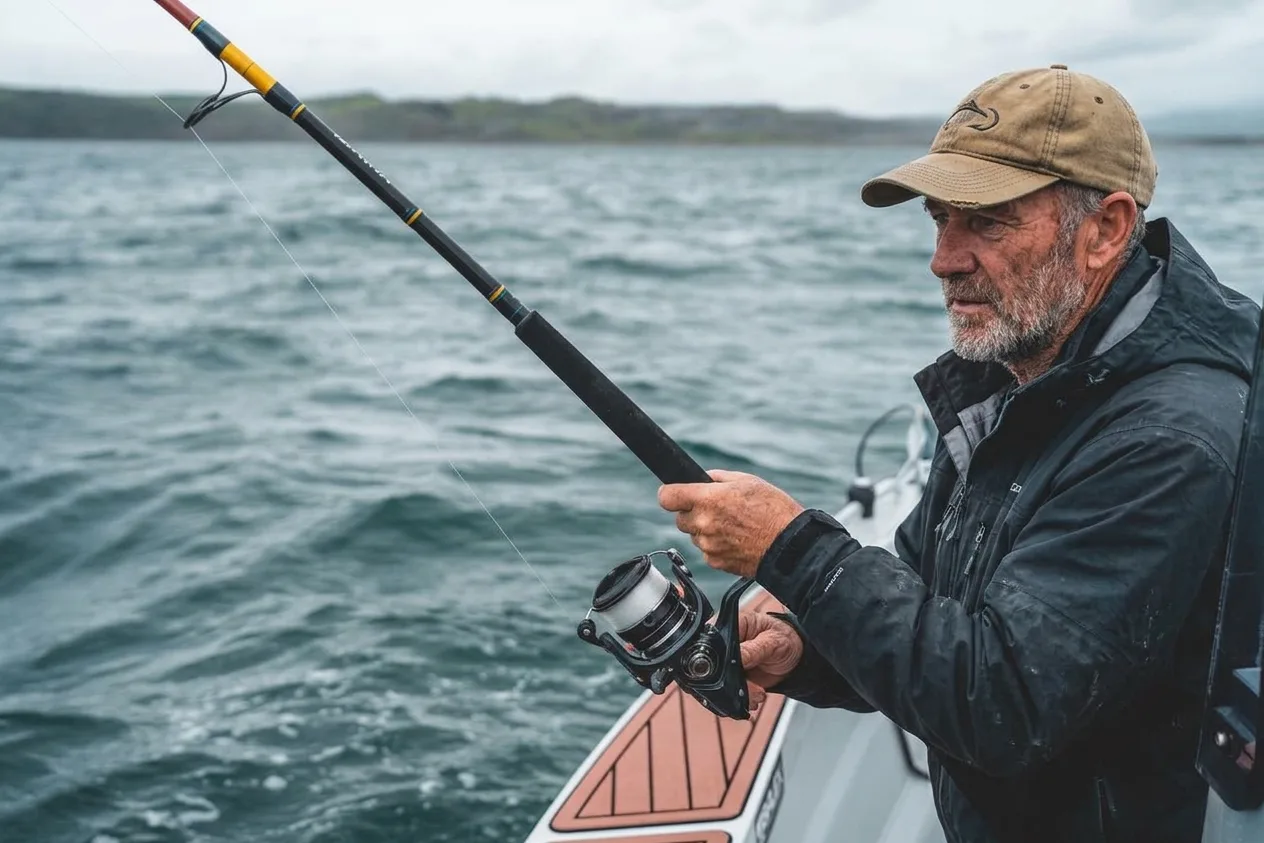
If there's one style of fishing that feels like home to Kiwi fishos, it's straylining for snapper.
All you really need is a rod, a hook, some fresh bait and a decent berley trail. Cast your bait out, let it drift naturally through the water, and wait for a hungry snapper to come along. Simple, right?
For many of us, straylining is where our fishing stories began. The gear might have changed over the years, but the technique is just as effective today as it was back when Geoff Thomas's Snapper Secrets VHS tape was the ultimate fishing bible.
There's something special about it. No complicated rigs or fancy retrieves. Just you, your bait drifting down the berley trail, and that slow pull on the line when a snapper finally commits.
It's still one of my favourite ways to fish. It takes a little patience, a bit of feel, and knowing when to let a fish run and when to put the pressure on. Get it right, and you could find yourself attached to a proper old moocher.
In this guide, we'll cover the gear, bait, berley, locations and techniques that make straylining so effective. And why, even with all the modern fishing options available, this old-school method remains one of the best ways to target a trophy snapper.
What Is Straylining?
At its simplest, straylining is about presenting a bait as naturally as possible, allowing it to drift down through the water column with little or no added weight.
The usual setup is a single or double-hook rig, a fresh bait and a well-positioned berley trail. Your job is to get the bait moving naturally through the same area where the berley is attracting feeding fish.
Unlike a ledger rig, which keeps your bait anchored near the bottom, straylining lets it move freely with the current. And unlike softbait fishing, there's no need to constantly work the lure. You let the current and the bait do most of the work.
When conditions allow, fishing without a sinker is ideal. The more naturally your bait drifts, the more convincing it looks to a hungry snapper.
But don't mistake simple for effortless. Good straylining takes concentration. You'll need to watch your line, manage the slack, feel what's happening below the surface and be ready when a fish picks up the bait.
That moment when the line slowly tightens and you realise something decent has taken your offering? That's what keeps us coming back.
Equipment: Setting Yourself Up for Success
You don't need an overly complicated setup for straylining, but choosing the right gear makes a big difference.
Reels: Spin or Overhead?
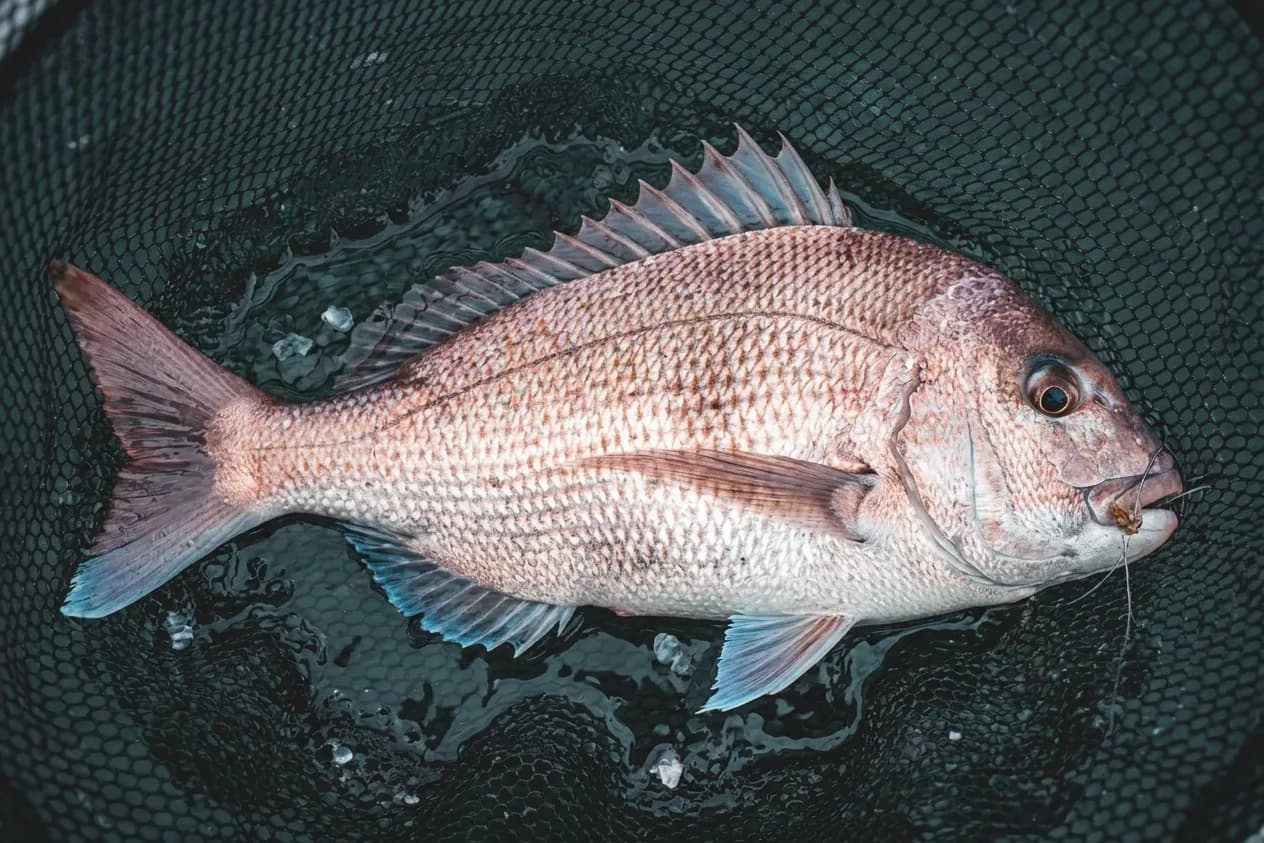
For many Kiwi anglers, a bite-and-run style reel is the go-to choice for straylining. It's relatively easy to cast, helps reduce the chances of a bird's nest, and allows you to control the drag while a fish runs off with the bait.
Add the sound of a screaming clicker as a big snapper takes off, and you've got one of the best sounds in fishing.
One reel I've come to love for this style is the Daiwa Free Swimmer. It's a great option for anglers who enjoy letting a fish take the bait before engaging the main drag.
Spinning reels are popular, but overhead reels deserve a mention, too. If you enjoy the traditional side of straylining, an overhead setup can be a lot of fun.
They do take a little more practice. Casting requires more finesse, and you'll use your thumb to control the spool as the bait drifts down. Get comfortable with it, though, and there's something very satisfying about fishing this way.
There's no single right answer here. Both styles work well, and the best choice comes down to what you're comfortable using.
Personally, I enjoy both.
Rods: Length and Control Matter
For boat-based straylining, I generally prefer a rod around seven feet long. That extra length helps maintain pressure on a fish and gives you more control when steering a big snapper away from nearby reefs or foul ground.
Fishing from the rocks is a slightly different story. A longer rod can help manage the line angle and give you more leverage, especially when you're trying to keep a fish clear of the terrain.
One option I've particularly enjoyed for rock fishing is the Daiwa Saltist Hyper Rock Special.
For boat fishing, the Daiwa VIP remains a timeless classic. It's one of those rods that has been around for years and has accounted for countless big snapper.
Ultimately, choose a rod that suits your fishing location and gives you enough control without being unnecessarily heavy.
Mainline: Why I Like Monofilament
I'm a big fan of monofilament for straylining, and there are a few good reasons for that.
First, mono has some stretch. When a big snapper starts shaking its head or making a sudden run, that stretch helps absorb the shock and can reduce the chance of pulling the hooks.
It's also reasonably abrasion-resistant, which is handy when you're fishing around reefs, rocks and other rough terrain.
The other big advantage is its sink rate. Monofilament generally sinks more slowly than braid, helping keep your bait drifting naturally for longer instead of pulling it down too quickly.
Most of the time, I use 15kg mono. If I'm fishing particularly rough ground or expecting a serious fish, I'll sometimes step up to 24kg.
That might sound like overkill, but when you're connected to a 20lb snapper in shallow, reefy water, you'll appreciate having the extra strength.
Leader and Hooks
For leader material, I prefer fluorocarbon. It's tough, offers good abrasion resistance and is less visible underwater than standard monofilament, which can be helpful when fishing for wary snapper.
Leader strength depends on the conditions. In shallow, clear water where the fish are easily spooked, you might get away with a lighter leader. Around heavy current or rough ground, heavier material gives you a little more insurance.
For most of my straylining, I use something in the 60–80lb range.
Hooks are another area where personal preference comes into play.
This might be a little controversial, but I prefer J hooks. There's something satisfying about a traditional strike, and I've generally found my hookup rate better with J hooks than with circles.
The downside is that J hooks can sometimes result in gut-hooked fish. One way I try to reduce that risk is by using larger hooks rather than going too small.
My usual choice for most straylining sessions is a 10/0 octopus beak hook. It gives me a good hookup rate while keeping gut-hooking to a minimum.
Circle hooks definitely have their place, too. They're excellent for hooking fish in the corner of the mouth, particularly when using smaller baits.
The trick is to fish them differently. Rather than delivering a sharp strike, apply steady pressure and let the hook find its position. A gentle lift of the rod is usually all that's needed.
Single-Hook or Two-Hook Rig?
The rig I use depends largely on the bait.
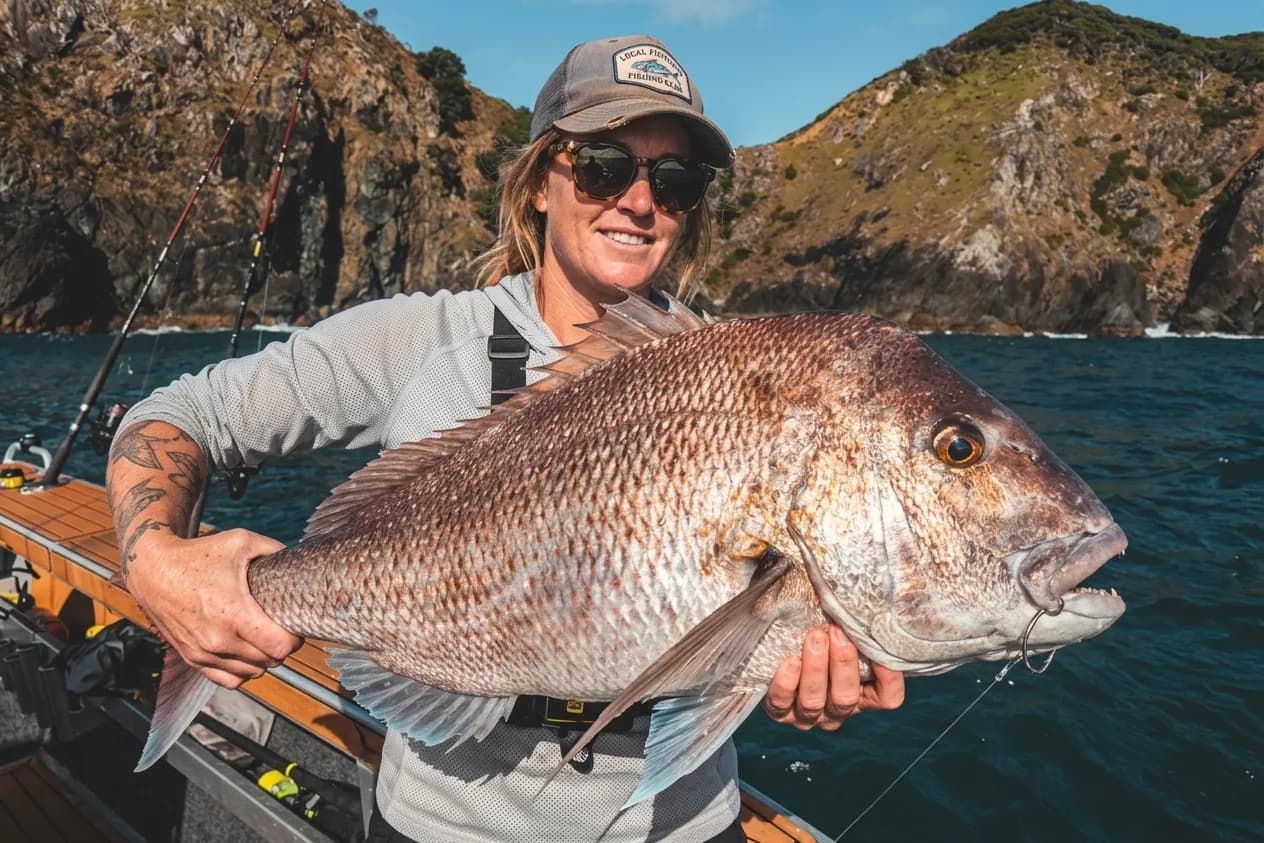
For a fresh slab of kahawai or mackerel, I'll usually use a single-hook rig. These firmer baits tend to stay on the hook well, so a second hook isn't always necessary.
For softer baits such as pilchards, I'll generally use a two-hook rig, with both hooks fixed to the trace. Some anglers prefer a sliding top hook, but I find snelling the top hook in place gives me a better bait presentation.
When using a circle hook, I almost always stick with a single-hook rig.
Do You Need a Sinker?
If I can get away without using a sinker, I will.
The whole point of straylining is to let your bait drift naturally. Add too much weight and it can drop too quickly, making it look less like the easy meal a snapper is looking for.
That doesn't mean you should never use weight. The goal is to use just enough to get your bait into the strike zone while keeping its natural movement.
Depth and current are the two biggest factors. In shallow, calm water, an unweighted bait may be all you need. In deeper water or stronger current, a small sinker can help get the bait down where the fish are feeding.
When I do use weight, I prefer a running ball sinker on the trace, positioned directly above the hook rig.
The key is to keep things as light as the conditions allow.
Bait and Berley: The Real Attraction
You can have the best rod and reel in the world, but if your bait and berley aren't doing their job, straylining can be a pretty quiet affair.
Berley: Don't Be Shy With It
My rule with berley is simple: take plenty and use it consistently.
A steady berley trail helps draw snapper into the area and encourages them to keep feeding. It's one of the most important parts of a successful straylining session.
Southern Baits produces a great range of berley, and I've had good results with several of its options. My favourite is the 6kg Mega Bomb, mainly because it tends to last a little longer.
Salmon berley is another standout. Its high oil content makes it particularly effective at creating an attractive trail in the water.
Of course, you don't need to get too caught up in brands. Any berley is better than none, and keeping a steady trail going is often more important than finding the supposedly perfect product.
What's the Best Bait for Snapper?
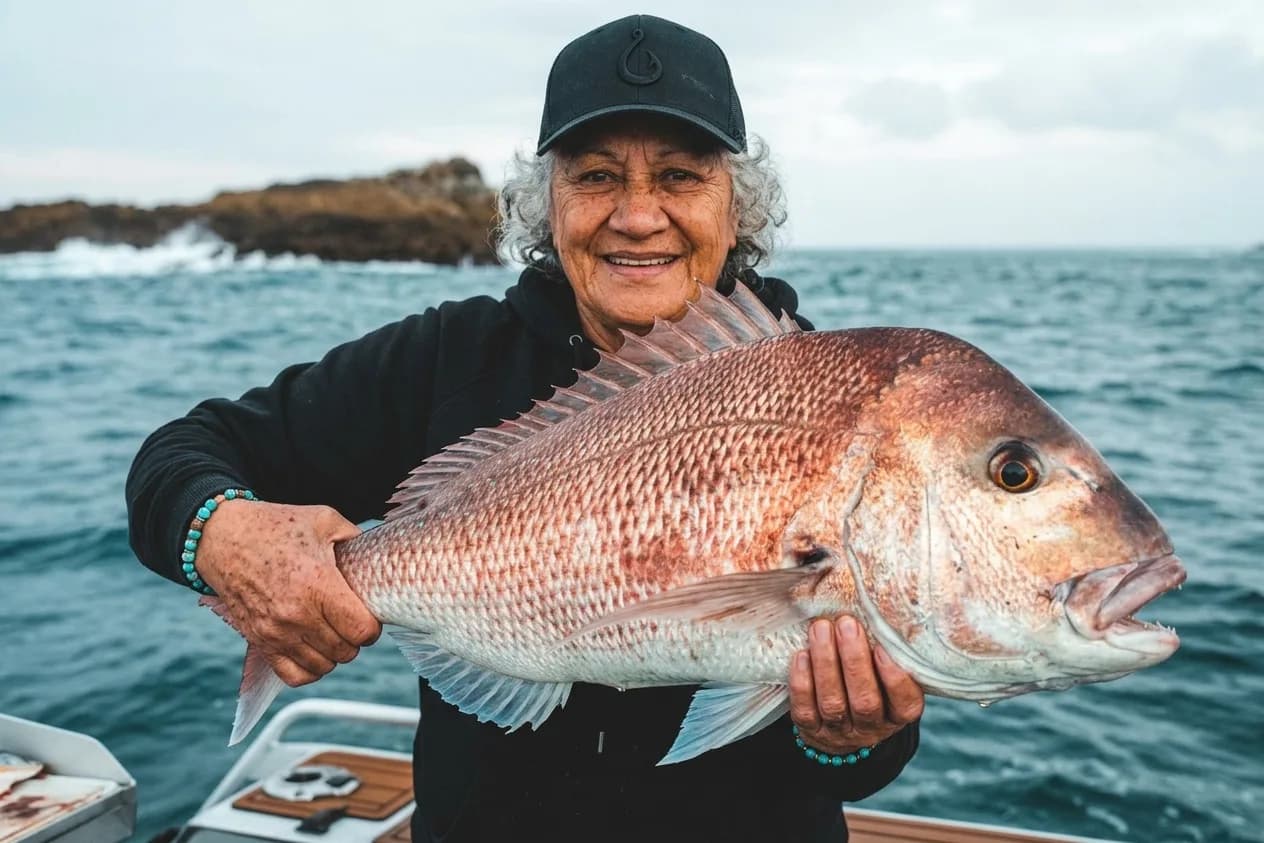
Fresh bait is hard to beat.
If I had to choose just one bait for the rest of my fishing life, it would be freshly caught koheru. Fresh jack mackerel, piper and kahawai would be close behind.
I've also had plenty of success with fresh maomao. They're often attracted to the berley trail themselves and can be easy to catch when they're around.
Then there's the humble pilchard. Most snapper anglers have used them, and there's no denying they catch fish. The problem is keeping them on the hook, especially when smaller fish start picking at the bait.
If you're using pilchards, look for export-quality free-flow boxes. The fish tend to be firmer and hold together better on the hook.
Personally, though, I often prefer larger baitfish that can handle a bit more abuse. Jack mackerel, ballyhoo and bullet tuna are among my favourites. They hold together well, give you a solid bait presentation and are very attractive to snapper.
Whatever bait you choose, make sure it's securely attached and presented naturally. A fresh, well-presented bait drifting through a good berley trail is a hard combination for a hungry snapper to ignore.
Location: Finding Where the Big Snapper Hang Out
When it comes to straylining, location can make or break your session.
The technique works particularly well around structure, including reefs, gutters, foul ground and rocky ledges. These areas provide food and shelter, making them natural places for snapper to feed.
Shallow water can be especially productive, but don't rule out deeper locations. With the right current, berley trail and bait presentation, straylining can work well in deeper water, too.
Get the Wind and Current Working Together
One of the most important things to look for is a situation where the wind and current are moving in the same direction.
Ideally, you want your boat, bait and berley trail working together so the trail flows naturally back towards likely fish-holding ground.
When the current pushes back underneath the boat, everything becomes harder. Your line can pile up, the berley trail may end up in the wrong place, and your bait struggles to drift naturally.
It's frustrating, and it can make an otherwise promising spot feel completely lifeless.
Instead, look for a setup where the current carries your bait towards some sort of structure. That might be a wash rock, reef, patch of foul ground or deep gutter.
These are the kinds of places where big snapper often hold, waiting for an easy meal to come past.
Why Moving Water Matters
Slack tide is generally not ideal for straylining. You want enough water movement to carry your berley away from the boat and keep your bait drifting through the feeding zone.
The current does much of the work for you. It spreads the berley, carries your bait and helps bring fish in from further away.
Timing can make a real difference, too. If you can line up the wind and current so they push your berley trail towards promising structure around dawn or dusk, you're giving yourself a great opportunity.
Get those conditions right and things can become exciting very quickly.
Areas with plenty of structure and surge can be particularly productive. The trick is finding a spot where your bait can drift naturally into the area where snapper are feeding.
Technique: Let the Bait Do the Work
Straylining is all about feel. You're trying to keep your bait moving naturally while staying connected enough to recognise a bite and react at the right moment.
1. Cast Into the Berley Trail
Start by casting your bait into the berley trail, but don't automatically assume that casting as far as possible is the best approach.
Smaller, more aggressive snapper often hang around closer to the berley bag. The bigger, more cautious fish may sit further back, waiting for food to drift their way.
You want your bait to travel naturally through the strike zone, past the smaller fish if possible, without casting so far that you overshoot the area you're trying to fish.
Let the current do its job rather than trying to force the bait into position.
2. Keep the Bait Drifting Naturally
Once your bait is in the berley trail, let it sink with the current.
I prefer to fish with as little resistance as possible. This allows the bait to move more freely and can make it more appealing to feeding snapper.
However, there's a balance to find. You still need to stay in touch with your line and know what's happening below the surface.
Feed out line as the bait drifts, but don't lose control of the reel. Too much slack can result in a nasty overrun when a fish suddenly grabs the bait and takes off.
With practice, you'll get a feel for how quickly to feed line and how much tension to maintain.
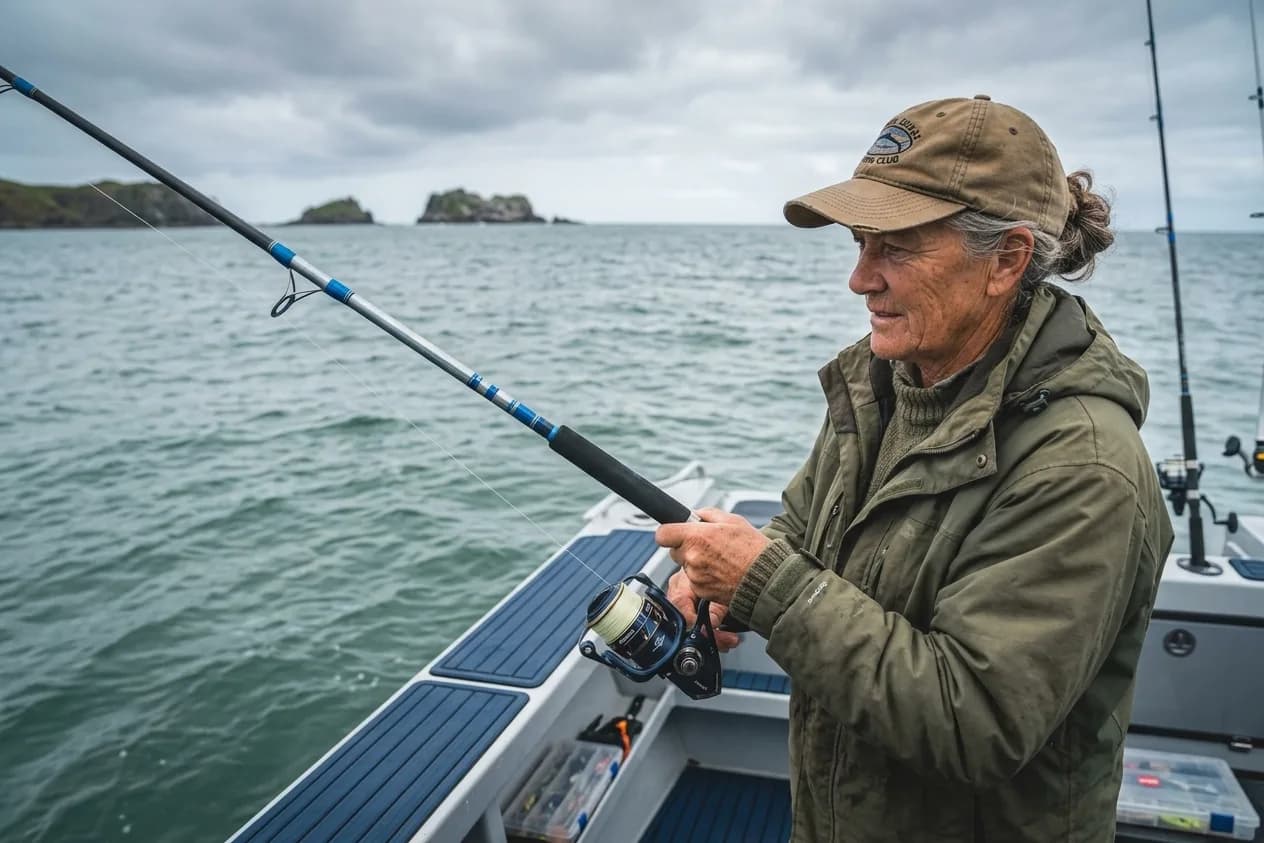
3. Know When to Strike
This is where straylining gets interesting.
When a snapper picks up your bait, you need to decide when to strike. Hit it too early and you might pull the bait straight out of the fish's mouth. Leave it too long and the fish may feel the pressure, drop the bait or swallow it too deeply.
You're looking for that sweet spot where the fish has committed to the bait but hasn't had too much time to swallow it.
Often, allowing a few seconds for the fish to run is enough, although the right timing depends on the bite and the rig you're using.
And let's be honest, this is also one of the best opportunities to give your mate a hard time. Strike too early and you'll hear about it. Wait too long and you'll hear about that, too!
If you're using J hooks, a firm strike is generally the way to go. With circle hooks, avoid the big whack. Lift the rod steadily and let the hook set under pressure.
4. Get the Fish Away From Structure
Once the hook is set, don't give a big snapper too much time to make its escape.
Some fish won't feel particularly large at first. Then they realise they're hooked, turn towards the nearest reef and suddenly make life difficult.
Your priority is to get the fish moving in the right direction and keep it away from cover. Apply firm, controlled pressure and use your rod to guide it into open water.
This is where the right rod length, line strength and leader really pay off. Around shallow reefs and rocky terrain, you may only have a short window to gain control before the fish reaches cover.
Stay composed, keep the pressure on and avoid giving the fish unnecessary opportunities to rub through your line.
5. Don't Ignore Rougher Conditions
Most of us love fishing on a calm, glassy day. Everything is comfortable, the boat sits nicely and the conditions are easy to manage.
But some memorable straylining sessions happen when the weather is less than perfect.
After a big blow, or when there's a bit of extra movement in the water, snapper can sometimes become more willing to feed. If conditions allow you to fish safely, it can be worth giving it a go.
Of course, safety comes first. Never head out in conditions that exceed your boat, equipment or experience.
A Straylining Session I'll Never Forget
At the recent Just Another Fisherman Anglers Escape, I had what was probably the most incredible straylining session of my life.
It was a miserable day, with the wind blowing around 20 knots. The conditions pretty much dictated where we could fish, so finding the right spot was essential.
Eventually, we found an area where the wind and current were working together. We started casting big, unweighted baits into the berley trail, and the snapper absolutely smashed them.
Some of the bites happened right near the surface, with fish charging in and grabbing the bait before it had even sunk very far.
At least six of the snapper we landed were over the magical 80cm mark.
It was one of those sessions that reminds you why straylining is so addictive. We weren't using complicated techniques or constantly changing lures. We had fresh bait, a steady berley trail and conditions that allowed everything to work together.
When those pieces fall into place, the results can be extraordinary.
Catch, Enjoy and Consider Releasing the Big Ones
One of the advantages of straylining is that snapper are often caught in relatively shallow water, with fights that don't necessarily drag on for too long. That can leave fish in good condition when they reach the net, making them suitable candidates for release when handled carefully.
What you do with your catch is entirely up to you, but it's worth thinking about releasing the really big snapper.
Those old moochers are impressive fish. They've survived long enough to grow to a trophy size, and they can put up a serious fight along the way. They also aren't necessarily the best eating fish compared with smaller snapper.
If you decide to release one, handle it carefully, minimise the time it spends out of the water and get it back into the sea as quickly as possible.
There's something pretty special about watching a big old snapper kick away strongly after release. You've had the fight, got the photos and enjoyed the moment, and the fish gets another chance to swim off and grow even bigger.
Who knows? It might be out there waiting for the next angler to have a crack.
Final Thoughts
Straylining doesn't need to be complicated. Get your bait right, keep a steady berley trail going, find some promising structure and let the current do most of the work.
Pay attention to the wind and tide, experiment with sinker weights, and learn to recognise the subtle signs of a fish taking your bait.
Most importantly, be patient. Sometimes the action will be slow, and sometimes you'll wonder whether there's anything down there at all. Then a big snapper comes along and reminds you why you love doing this.
Whether you're fishing from a boat, casting off the rocks or tucking into a sheltered spot out of the wind, straylining remains one of the most enjoyable ways to target big snapper in New Zealand.
All it takes is a good bait, a bit of berley and the patience to let things happen naturally.
And somewhere down that berley trail, there might just be an old moocher waiting for dinner.