
Beginner
Gurnard Fishing in New Zealand: Where, When and How to Catch Them
Gurnard, also known as “carrots”, are one of New Zealand’s favourite eating fish. Learn where to catch them, the best time to fish, and which baits and techniques work best in harbours and coastal waters.
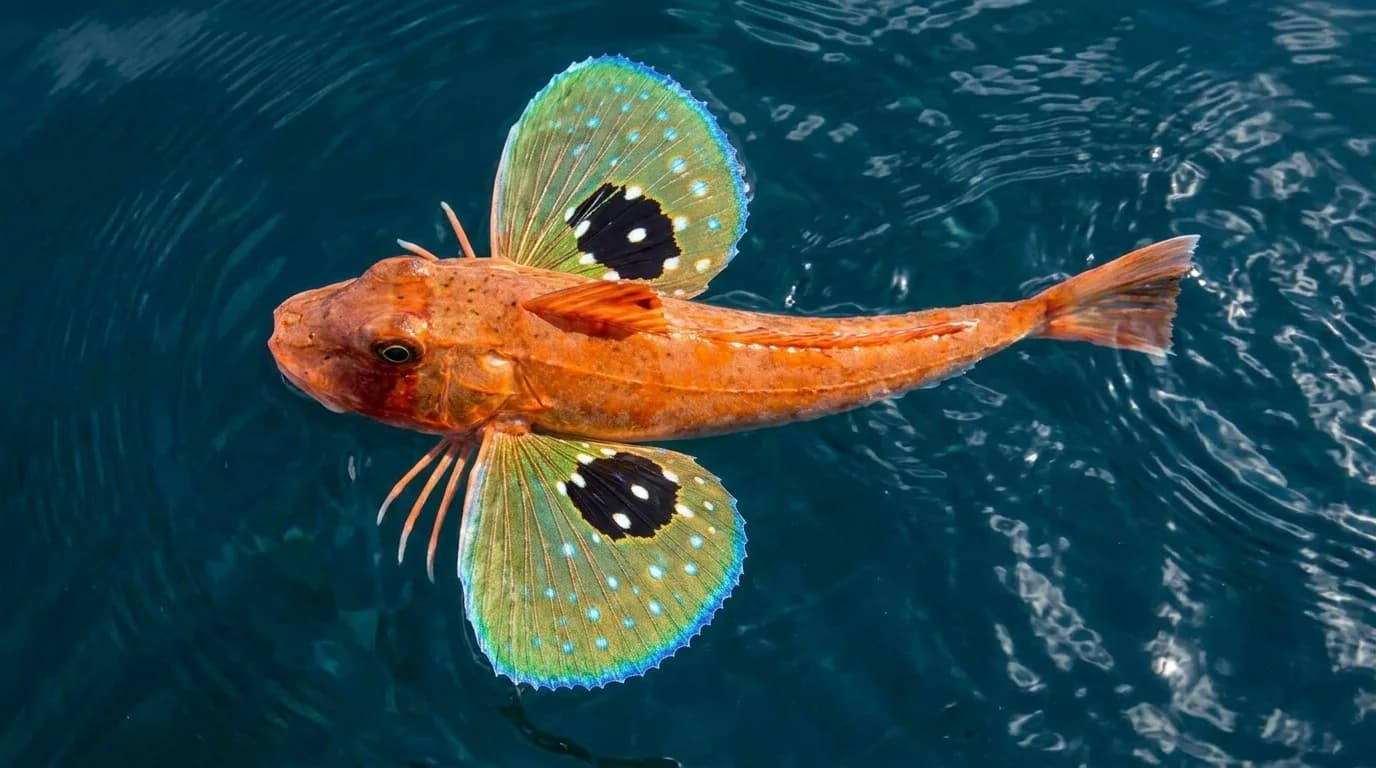
Gurnard, affectionately known as “carrots” by Kiwi anglers, are one of New Zealand’s favourite eating fish. Recognisable by their orange-red colour, large bony heads and colourful pectoral fins, they are commonly found in coastal waters, harbours and sandy-bottom fishing grounds around the country.
While gurnard may not put up the strongest fight compared with some other popular sportfish, they make up for it with their excellent eating quality. Their firm, flaky white flesh makes them a rewarding catch for both experienced anglers and those new to fishing.
In this guide, we’ll cover where to find gurnard, the best time to target them, and the techniques that can help you catch more.
Gurnard at a Glance
- Common name: Gurnard (Carrots)
- Māori names: Puwhaiau, Kumukumu
- Scientific name: Chelidonichthys kumu
- Maximum length: Approximately 55 cm
- Eating quality: Excellent
- Typical habitat: Sandy and muddy seafloors in coastal waters and harbours
What Do Gurnard Look Like?
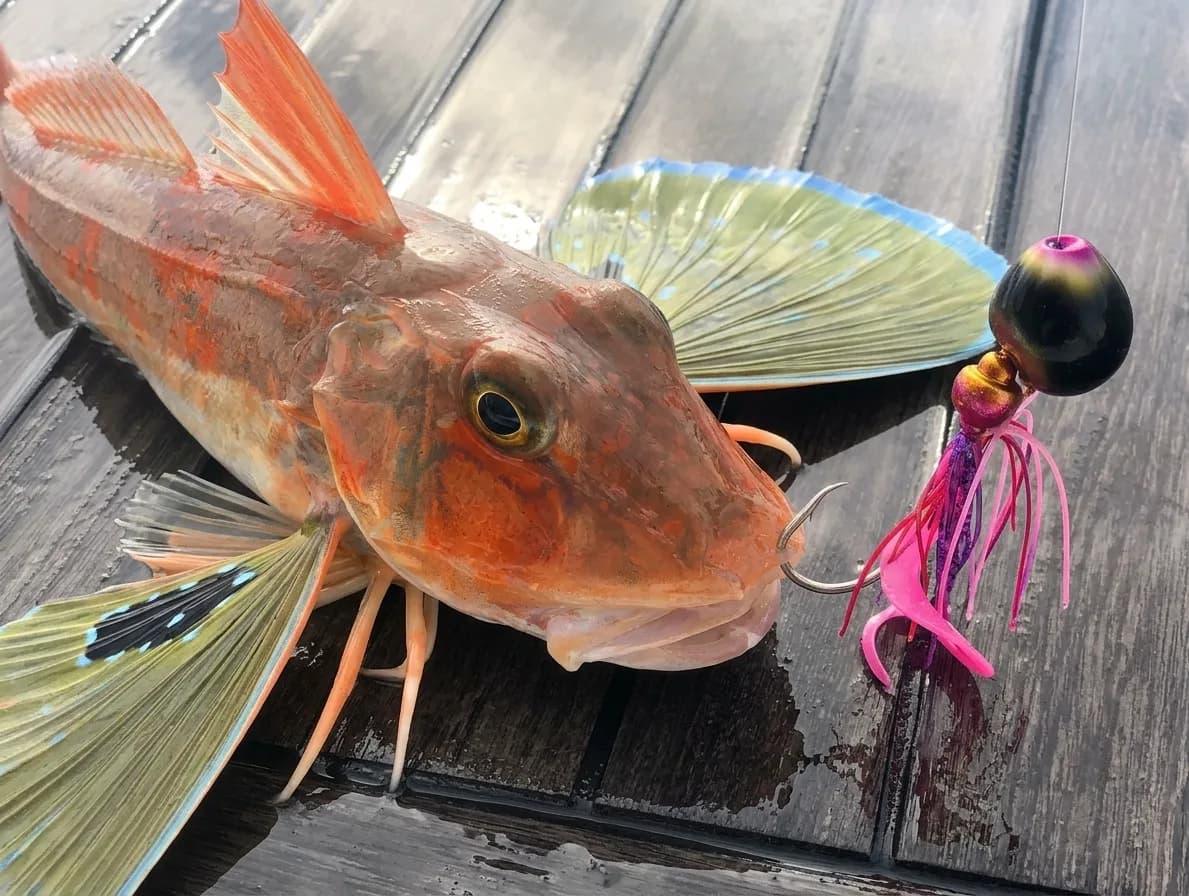
Gurnard have a distinctive appearance, with an orange-red body that tapers towards the tail and a large, bony head. Their oversized pectoral fins are particularly striking, displaying shades of blue and green with dark and white spots and a bright blue edge.
These colourful fins are thought to help startle predators or serve as a visual display. Gurnard also have three finger-like rays on the lower part of each pectoral fin. These specialised rays help them move along the seafloor and detect prey hidden in the sediment.
Their diet includes crabs, shrimp, worms, shellfish and small fish. Gurnard can also produce grunting sounds using specialised muscles that vibrate against their swim bladder. This unusual ability is thought to be the origin of the name “gurnard”.
Although they are not especially powerful fighters, gurnard are highly regarded by anglers for their delicious flesh and are well worth targeting.
Where to Catch Gurnard in New Zealand
Gurnard are widely distributed around New Zealand, particularly in inshore waters with sandy or muddy bottoms. They are generally more abundant north of the Chatham Rise and are commonly caught in relatively shallow water.
Popular areas for gurnard fishing include:
- Manukau Harbour: A well-known area with extensive muddy flats, channels and shallow feeding grounds.
- Kaipara Harbour: Offers productive estuary fishing, particularly around channel edges and suitable tidal areas.
- Māhia Peninsula and Hawke’s Bay: Coastal fishing grounds where gurnard are a popular target.
- Marlborough Sounds: Sheltered waters and suitable seabed habitats provide opportunities to target gurnard.
- Wellington and the Kāpiti Coast: Productive coastal areas for anglers fishing from boats or suitable shore locations.
Look for Sandy or Muddy Seafloors
Gurnard usually feed close to the bottom, so choosing the right seabed is more important than finding deep water.
When fishing behind surf beaches, depths of around 10–20 metres can be productive. From a boat, focus on relatively flat sandy or muddy areas where gurnard can search for food.
In harbours, pay attention to channel edges, shallow gutters and mudflats. Gurnard may move onto the flats as the tide rises to feed in shallower water. This means you don't always need to fish deep channels to find them.
Best Time to Catch Gurnard
Gurnard can be caught throughout the year, but winter and early spring are particularly productive periods in many New Zealand harbours.
During the cooler months, gurnard often feed actively as they prepare for their spring and early-summer spawning period. Local conditions and seasonal movements can vary, so it is worth keeping track of catches in your area.
Pay Attention to the Tide
Water movement can make a significant difference to gurnard fishing.
In many areas, fishing while the current is running can produce good results. Moving water helps carry food along the seabed and can encourage fish to feed.
However, some west coast harbours can fish well around slack tide. Strong currents may make it difficult to keep your bait near the bottom, so a quieter period around the turn of the tide can be easier and more productive.
The best approach is to experiment with different stages of the tide and record which conditions produce the most bites at your chosen spot.
How to Catch Gurnard
Gurnard fishing is relatively straightforward, but a few adjustments to your rig, bait and presentation can improve your chances.

1. Use a Bottom Fishing Rig
Because gurnard feed close to the seabed, keeping your bait near the bottom is essential.
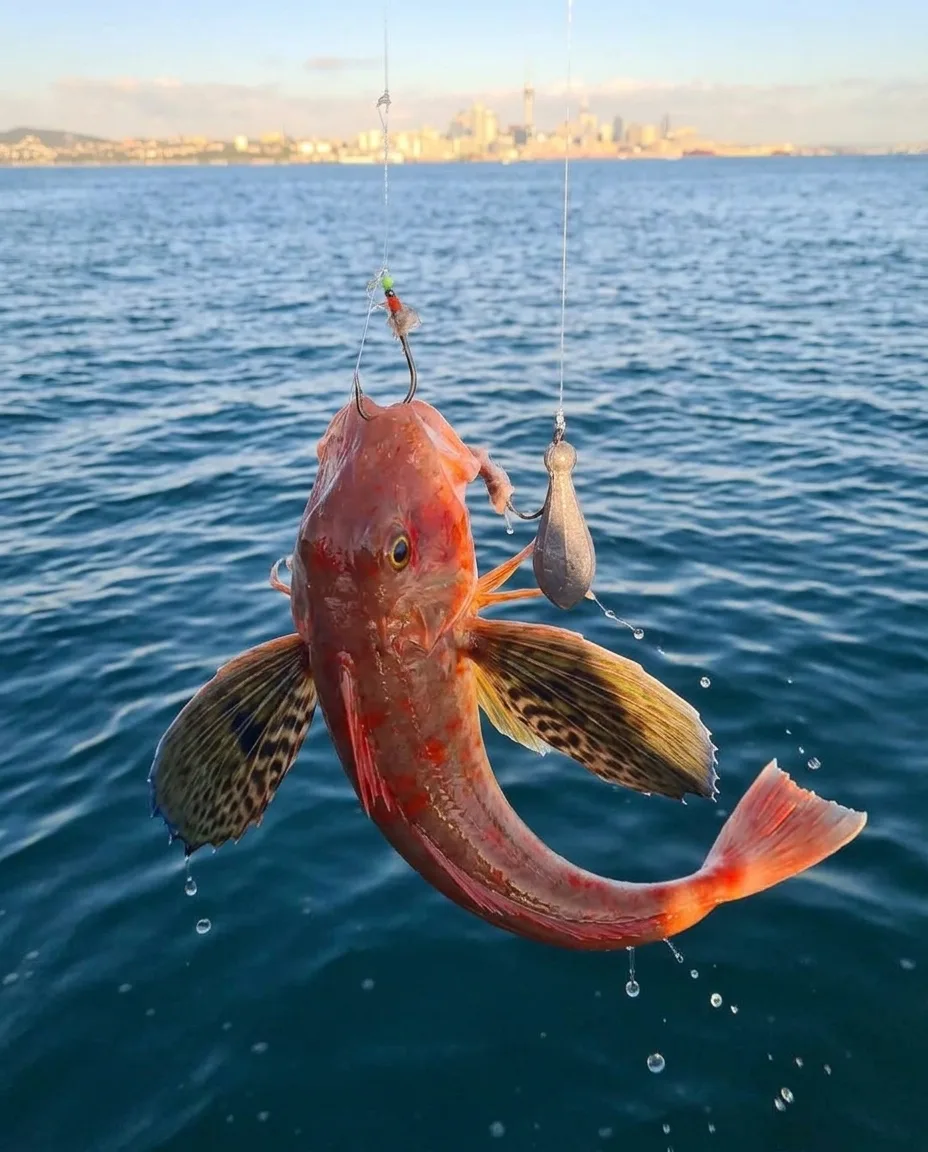
A flasher rig with recurve hooks is a popular option. Use a rig that allows the bait to sit close to the seafloor, where gurnard naturally search for food.
When fishing from a boat, you can adjust your sinker arrangement to help keep the baits down while maintaining a practical setup. Make sure the rig suits the depth and current, and use enough weight to maintain contact with the bottom without making the setup unnecessarily heavy.
For surfcasting, a breakout sinker can help hold your rig in position when the current or waves would otherwise move it.
2. Choose the Right Bait
Gurnard respond well to small strips of fresh fish bait. Suitable options include:
- Skipjack tuna
- Fresh kahawai
- Mullet
Cut the bait into relatively small, narrow strips rather than using large chunks. Hook the bait through the skin once where possible, leaving the hook point exposed.
This is important because gurnard have a bony upper jaw. If too much bait covers the hook point, it may be harder for the hook to penetrate properly.
When using recurve hooks, avoid striking hard as soon as you feel a bite. Give the fish a little time to take the bait, then steadily lift the rod to help the hook set.
3. Try Soft Baits
Soft baits can also be effective for gurnard, particularly when fishing in shallow water.
Choose a small soft bait and work it slowly along the bottom. Gentle lifts and pauses can imitate prey moving through the sediment and attract fish searching for an easy meal.
You can also drift over suitable sandy or muddy ground while keeping your soft bait near the seabed. If you are fishing from a boat, pay attention to drift speed so your presentation doesn't move too quickly away from the bottom.
Light tackle can make this style of fishing enjoyable, while a sensitive rod tip helps you detect the subtle bites that gurnard sometimes produce.
4. Use Burley Carefully
Burley can help attract fish by releasing scent and small food particles into the water. When fishing from an anchored boat, placing a burley bag near the anchor chain can help create a scent trail around your fishing area.
However, burley can also attract unwanted species, including spiny dogfish in some west coast locations. If nuisance fish become a problem, reduce the amount of burley or change your position.
5. Keep Your Bait Near the Bottom
One of the most important things to remember when targeting gurnard is that they spend much of their time feeding along the seafloor.
If your rig is drifting too high in the water, you may miss fish holding close to the bottom. Adjust your sinker weight to suit the depth, current and drift speed.
Once you find a productive area, make small adjustments to bait size, rig position and timing rather than changing everything at once. This makes it easier to identify what is working.
What Fishing Gear Do You Need for Gurnard?
You don't need particularly heavy tackle to enjoy gurnard fishing. A balanced rod and reel setup with a sensitive tip is useful for detecting bites, especially when fishing in shallow water or using light tackle.
When choosing your setup, consider:
- Rod: A rod with a responsive tip helps detect subtle bites and gives you control over the rig.
- Reel: Choose a reel that suits your fishing location and the size of your target species.
- Line: Braided line can provide good bite detection and help reduce the amount of line affected by the current.
- Leader: Use a leader suited to the seabed, rig and other fish you might encounter.
- Sinker: Select enough weight to keep your bait near the bottom under the prevailing conditions.
- Hooks: Recurve hooks are a popular choice for bait fishing for gurnard.
Your setup should be appropriate for the location. Fishing a sheltered harbour in a few metres of water requires a different approach from fishing deeper coastal grounds with a strong current.
Tips for Catching More Gurnard
A few simple habits can make your fishing sessions more productive:
- Find the right seabed. Focus on relatively flat sandy or muddy areas rather than rough, rocky ground.
- Fish close to the bottom. Gurnard usually feed near the seafloor, so keep your bait in the strike zone.
- Use smaller baits. Small strips of fresh fish can be easier for gurnard to take without covering the hook point.
- Experiment with the tide. Try different stages of the tide to discover when your local spot fishes best.
- Avoid rushing the hook set. Give gurnard time to take the bait, particularly when using recurve hooks.
- Keep an eye on your surroundings. Birds, current lines and changes in water depth can help you identify areas worth exploring.
- Record what works. Keep notes on the tide, depth, bait and location whenever you have a successful session.
Final Thoughts
Gurnard are an excellent target for New Zealand anglers who want a reliable food fish without needing complicated techniques or heavy tackle.
The key is to find suitable sandy or muddy ground, fish close to the bottom and use small pieces of fresh bait. Winter and early spring can be especially productive in many harbours, while paying attention to local tide conditions can help you identify the best time to fish.
Whether you're fishing from a boat, casting from the shore or exploring a local harbour, gurnard are well worth adding to your fishing list. With the right location and a little patience, you could soon be bringing home a feed of these much-loved Kiwi carrots.