
Beginner
Jack Mackerel Fishing NZ: Where, When and How to Catch Them
Jack mackerel are one of New Zealand's most useful baitfish, often caught for targeting bigger species like kingfish and snapper. Learn where to find them, the best time to fish, and how to catch them using Sabiki rigs and small lures.
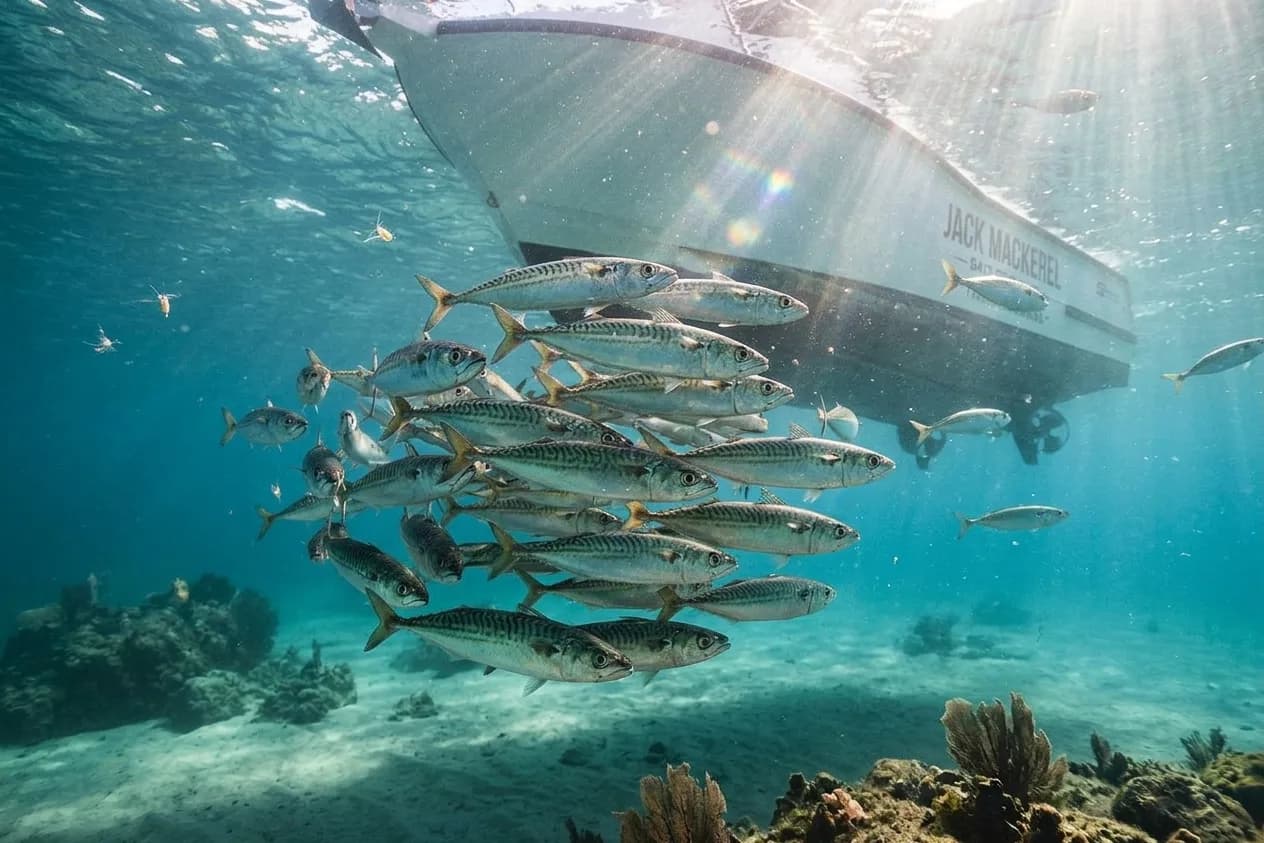
Not every fishing trip is about landing a monster snapper or kingfish. Sometimes, catching a bucket of jack mackerel is exactly what you need — especially when you're chasing livebait for something bigger!
Known as “jack macs” by Kiwi anglers, jack mackerel are small, fast-moving schooling fish found throughout New Zealand. They're a favourite bait choice for targeting larger predators, including kingfish, snapper and kahawai. They're also good eating when prepared properly.
The good news? Jack mackerel are relatively easy to find once you know where to look, and you don't need complicated gear to catch them.
In this guide, we'll cover how to identify jack mackerel, where to find them, the best time to fish, and how to catch them using simple techniques.
Jack Mackerel at a Glance
- Common name: Jack Mackerel (Jack Macs)
- Māori name: Hautere
- Scientific name: Trachurus spp.
- Typical size: Around 15–30 cm
- Eating quality: Good
- Main uses: Livebait, dead bait and table fish
- Habitat: Coastal waters, harbours, bays and offshore areas
What Do Jack Mackerel Look Like?
Jack mackerel are small, streamlined fish with silver-green backs, silvery sides and pale undersides. Their tails often have a yellowish tint, making them relatively easy to recognise once you've caught a few.
One of their most distinctive features is the row of hard, bony plates called scutes along the lateral line near the tail. These form a noticeably rough, raised edge towards the tail.
Several species of jack mackerel occur in New Zealand waters, and telling them apart can be tricky. They belong to the Carangidae family, which also includes trevally, kōheru and yellowtail kingfish.
Jack mackerel feed on plankton and small marine animals, including tiny fish and other organisms drifting through the water. They often gather in schools, sometimes in large numbers, making them a useful target when you need bait for a bigger fishing mission.
Although many anglers catch them mainly for bait, jack mackerel can also be eaten. In Japan, for example, related jack mackerel species are popular in dishes such as sashimi and karaage-style fried fish.
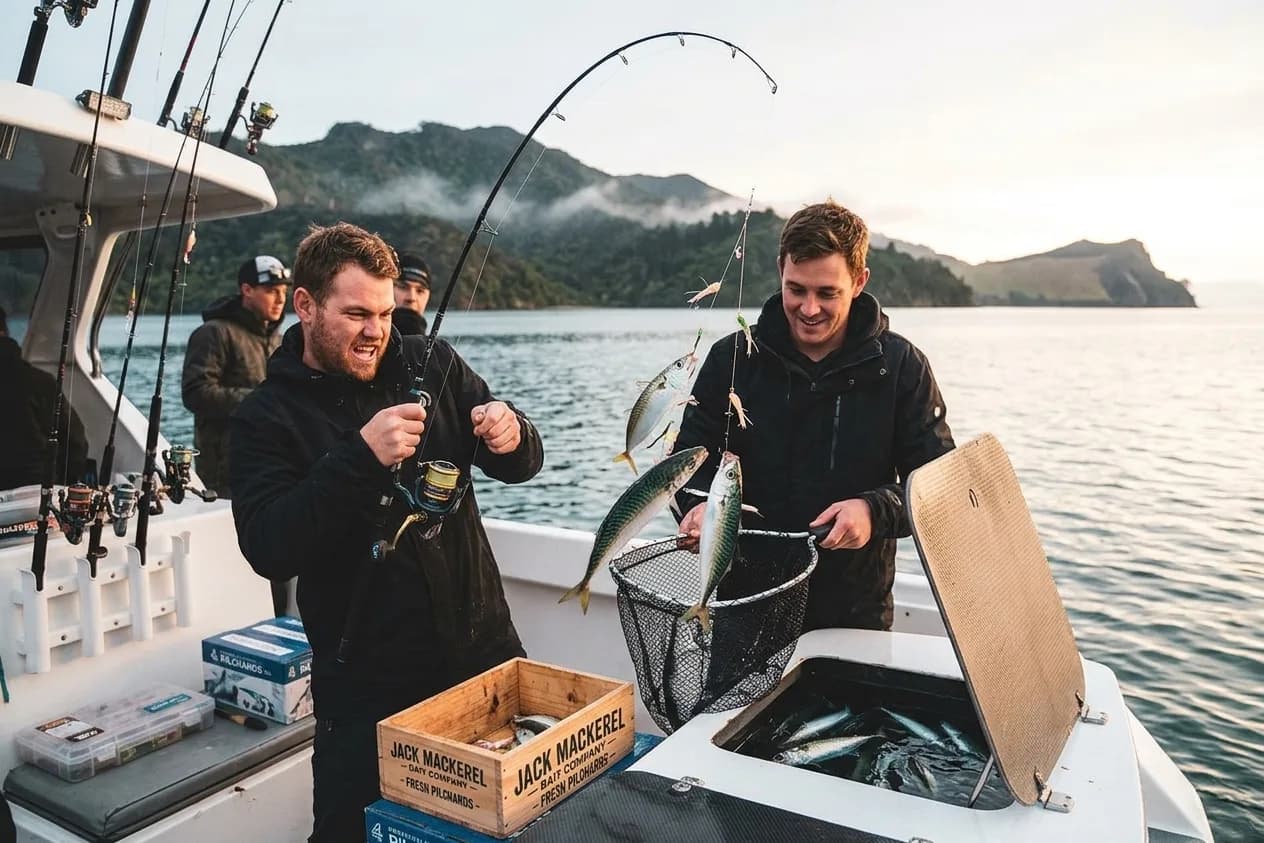
Where to Catch Jack Mackerel in New Zealand
Jack mackerel are found throughout New Zealand, from sheltered coastal bays to offshore waters. They often gather in schools around areas where food is plentiful.
You don't necessarily need to head far offshore to find them. Many good fishing spots are close to shore and easy to access.
1. Harbours and Sheltered Bays
Harbours and sheltered bays are excellent places to start looking for jack mackerel.
Try areas with a bit of depth, sandy drop-offs, channels and nearby reef structure. Jack mackerel commonly hold in midwater, so they don't always need to be directly over the bottom.
Depths of around 5–25 metres can be worth exploring, although the best depth will depend on the location and conditions.
If you're fishing from a boat, slowly exploring likely areas while watching your fish finder can help you locate schools before dropping your rig.
2. Wharves, Bridges and Breakwalls
Don't have a boat? No problem.
Jack mackerel can often be found around wharves, bridges, harbour structures and coastal breakwalls. These places attract small fish and other marine life, providing feeding opportunities for mackerel.
Artificial lighting can make some spots particularly productive after dark. Lights attract plankton and small organisms, which can in turn attract baitfish.
Choose a safe, accessible fishing spot and check whether fishing is permitted. Be mindful of other anglers, boat traffic and any local restrictions.
3. Reefs and Sandy Drop-Offs
Shallow reefs and sandy drop-offs can also hold schools of jack mackerel.
Look for areas where the seabed changes depth or where reef structure meets sand. These transitions can attract small fish and create useful feeding grounds.
If you're fishing from a boat, move between likely locations rather than staying too long in an area with no signs of fish.
4. Watch the Birds
Bird activity is one of the easiest clues to look for when searching for baitfish.
Gannets, terns and shearwaters feeding or diving over the water can indicate that small fish are present nearby.
Birds don't always mean jack mackerel are underneath, but they can help you identify areas worth checking.
If you have a fish finder, look for schools or scattered marks suspended in midwater. Jack mackerel may appear as dense bait balls or smaller groups, depending on the size and position of the school.
Best Time to Catch Jack Mackerel
One of the best things about jack mackerel fishing is that they can be caught throughout the year.
However, their location can change with the season, weather and water conditions. A spot that produced plenty of fish last month might be quiet today, so it's worth exploring a few alternatives.
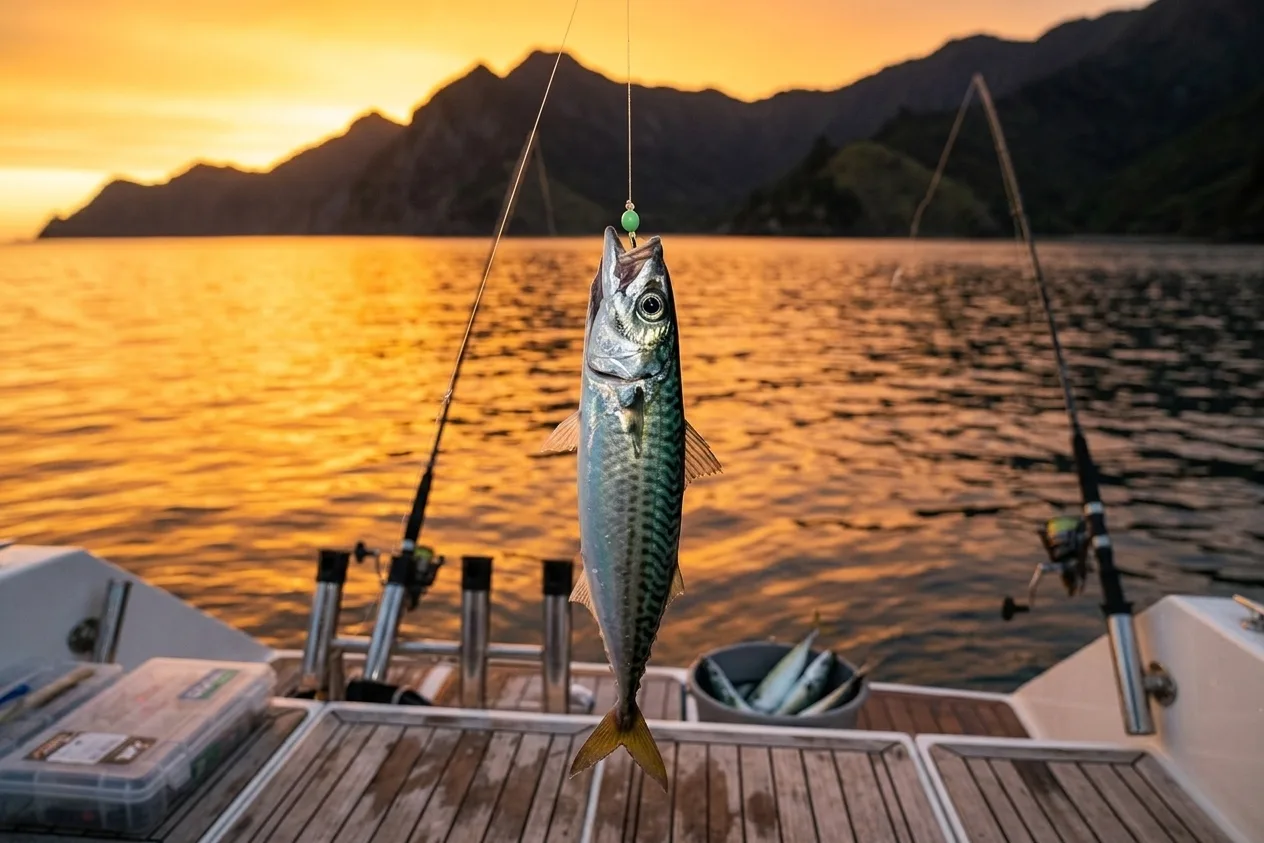
Day Fishing
Jack mackerel feed during daylight hours, so there's no need to wait until dark to catch them.
When fishing from a boat, look for bait schools on your fish finder and work through the water column until you find the depth where they're holding.
If you find an active school, you may catch several fish on a single drop.
Night Fishing
Night fishing can be particularly productive around wharves, breakwalls and other well-lit coastal locations.
Artificial lights can attract small marine organisms, which may draw baitfish into the area. Jack mackerel can become more active after dark, making evening and overnight sessions worth trying.
Small lures and tiny bait presentations can work well when fish are feeding around lights.
Does the Weather Matter?
Yes. Conditions can influence where jack mackerel gather.
Large swells and rough coastal conditions may make shallow fishing spots less productive, with fish sometimes moving into deeper or more sheltered water.
Wind and swell also affect your ability to fish safely and keep your rig under control.
If your usual spot is quiet after a period of rough weather, try a sheltered bay or a deeper area nearby.
How to Catch Jack Mackerel
You don't need an elaborate setup to catch jack mackerel. A light rod, suitable line and a small baitfish rig are often all you need.
Here are three methods worth trying.
1. Use a Sabiki Rig
A Sabiki rig is one of the most popular ways to catch jack mackerel.
It consists of a main line with several small hooks attached to short branches. Each hook is dressed with material designed to imitate tiny baitfish or shrimp.
The small hooks and lightweight presentation make Sabiki rigs well suited to catching schooling baitfish.
How to fish a Sabiki rig:
- Lower the rig into the water where you believe the fish are holding.
- Allow it to sink through the water column.
- Once it reaches the desired depth, use short lifts and gentle movements to make the hooks appear lively.
- If you haven't had any bites, try retrieving the rig steadily towards the surface before dropping it again.
- Once you locate the school, repeat the process at the productive depth.
When a hungry school is nearby, you may hook several fish at once.
If you're fishing from a boat, a fish finder can make the process much easier. Look for schools in midwater and lower your rig to the same depth rather than automatically dropping it all the way to the bottom.
2. Add a Little Burley
Sometimes jack mackerel are around but aren't particularly interested in your rig.
In that situation, a small amount of burley may help attract fish into the area and encourage them to feed.
You can also try tiny strips of bait on the hooks to give the fish an extra reason to bite.
Keep your presentation small. Jack mackerel are not large fish, and oversized bait can make it harder for them to take the hook properly.
If you're fishing from a boat, be aware of the current and your position so the burley trail doesn't drift too far away from your rig.
3. Try Small Lures at Night
When jack mackerel gather around lights after dark, tiny lures can be surprisingly effective.
Micro soft baits and small metal jigs are useful options, particularly when the fish are feeding on small organisms in the water.
Cast near the lighted area and allow your lure to sink before retrieving it with gentle movements. If you're not getting bites, try a different depth or a slower retrieve.
Light tackle makes this style of fishing enjoyable, and it can be a good option for anglers fishing from wharves or harbour walls.
What Gear Do You Need for Jack Mackerel?
Jack mackerel don't require heavy tackle, and a simple setup is usually enough.
Rod and Reel
A light spinning rod and reel are suitable for most jack mackerel fishing. A lighter setup makes it easier to work small hooks and lures while still providing enough control to land the fish.
Line
Choose line that suits your rod, reel and fishing location. Lighter line can work well with small rigs, but it should still be strong enough to handle multiple fish and the conditions where you're fishing.
Hooks and Rigs
Sabiki rigs are a convenient choice when your main goal is to catch baitfish quickly.
Choose hook sizes appropriate for the fish in your area. If the hooks are too large, small jack mackerel may struggle to take them.
If you're using tiny lures instead, select a setup that allows you to cast and retrieve them comfortably.
A Bucket or Livebait Tank
If you're catching jack mackerel for livebait, keeping them alive and healthy is important.
A suitable livebait tank or aerated container helps maintain water quality and oxygen levels. Avoid overcrowding the fish, and handle them carefully to reduce stress.
If you're keeping them for food, chill your catch promptly and follow good fish-handling practices.
How to Keep Jack Mackerel Alive for Bait
Live jack mackerel can be an excellent bait option for larger predators, particularly kingfish.
However, catching them is only the first step. The way you handle and store them can make a big difference to how long they survive.
Use a suitable livebait tank. Make sure the tank has adequate water circulation and oxygenation.
Avoid overcrowding. Too many fish in a small container can quickly reduce water quality and increase stress.
Handle them gently. Excessive handling can damage the fish and reduce their chances of surviving.
Keep the water conditions stable. Avoid sudden changes in temperature and maintain good water quality.
Use them as soon as practical. Fresh, lively bait is generally preferable to fish that have been sitting in poor conditions.
If you're heading out specifically to target kingfish, it's worth preparing your livebait setup before you start catching mackerel. That way, you can transfer them promptly and spend less time managing your bait.
Tips for Catching More Jack Mackerel
Want to fill your livebait tank faster? Keep these simple tips in mind.
- Look for schools first. Use bird activity and your fish finder to identify likely areas before repeatedly dropping your rig.
- Fish different depths. Jack mackerel often hold in midwater, so don't assume they'll always be near the bottom.
- Keep your rig moving. Gentle lifts and short pauses can make the hooks look more natural.
- Use small hooks and bait. Match your presentation to the size of the fish.
- Try fishing after dark. Well-lit wharves and breakwalls can be worth visiting for evening sessions.
- Move if the fish aren't there. Schools shift around, so don't rely on yesterday's fishing spot.
- Prepare before targeting bigger fish. If you're collecting livebait for kingfish or other predators, make sure your livebait tank is ready before you start.
Final Thoughts
Jack mackerel might not be the biggest fish in the sea, but they're an important part of many successful fishing trips around New Zealand.
They're widely distributed, can often be caught close to shore and make useful livebait for larger predators. They're also worth considering as a table fish when handled and prepared properly.
Start by checking sheltered bays, harbour structures and sandy drop-offs. Look for birds and baitfish on your sounder, then use a small Sabiki rig to work through the water until you find the school.
Once you get the hang of it, catching jack mackerel can be a straightforward and enjoyable part of your next fishing trip — and it might be the first step towards hooking something much bigger!