
Beginner
How to Catch Trevally in New Zealand: Spots, Seasons, Bait and Lures
Trevally are hard-fighting schooling fish found around New Zealand’s reefs, harbours and headlands. Where to find them, the best times to fish, how to catch them on bait, berley, soft-baits and micro-jigs, and the size limit.
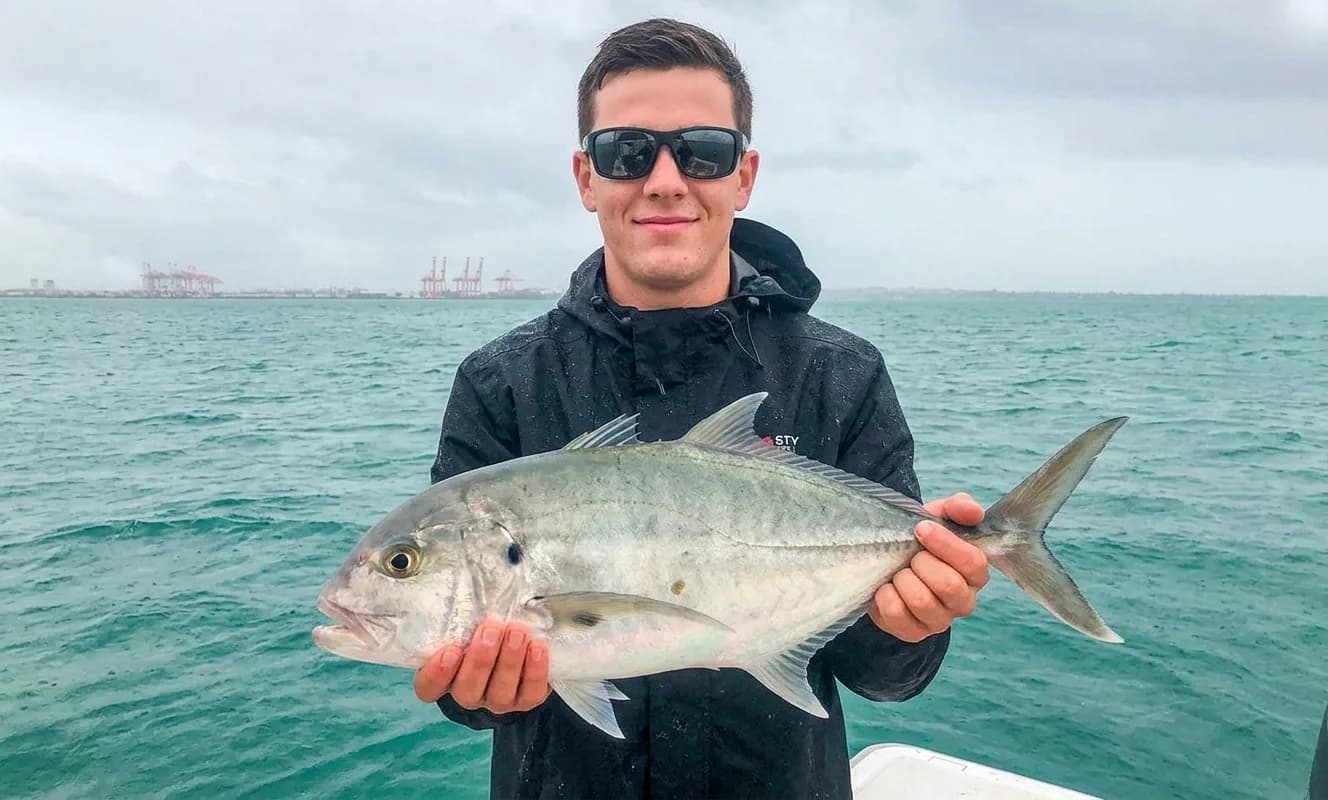
Trevally are one of New Zealand's most underrated sportfish. They might not always get the same attention as snapper or kingfish, but once you hook a decent one on light tackle, you'll understand why so many anglers enjoy targeting them.
Known as araara in Māori, trevally are strong fighters, often travelling in schools and feeding on everything from tiny krill to shellfish and small crustaceans. They're found around reefs, headlands, sandy patches and harbour entrances, making them a great target for both boat and land-based anglers.
They're also good eating when handled properly, with fresh trevally being particularly well suited to sashimi.
If you're keen to catch more trevally, here's where to look, when to go and which techniques are worth trying.
Trevally at a Glance
- Māori name: Araara
- Scientific name: Pseudocaranx dentex
- New Zealand all-tackle record: 9.5 kg
- Eating quality: Good
- Best areas: Northern North Island, especially reefs, headlands and harbours
- Common methods: Bait fishing, berley, soft-baits and micro-jigs
- Size limit: 25 cm minimum in every area. See our NZ fishing rules for daily limits
What Do Trevally Look Like?
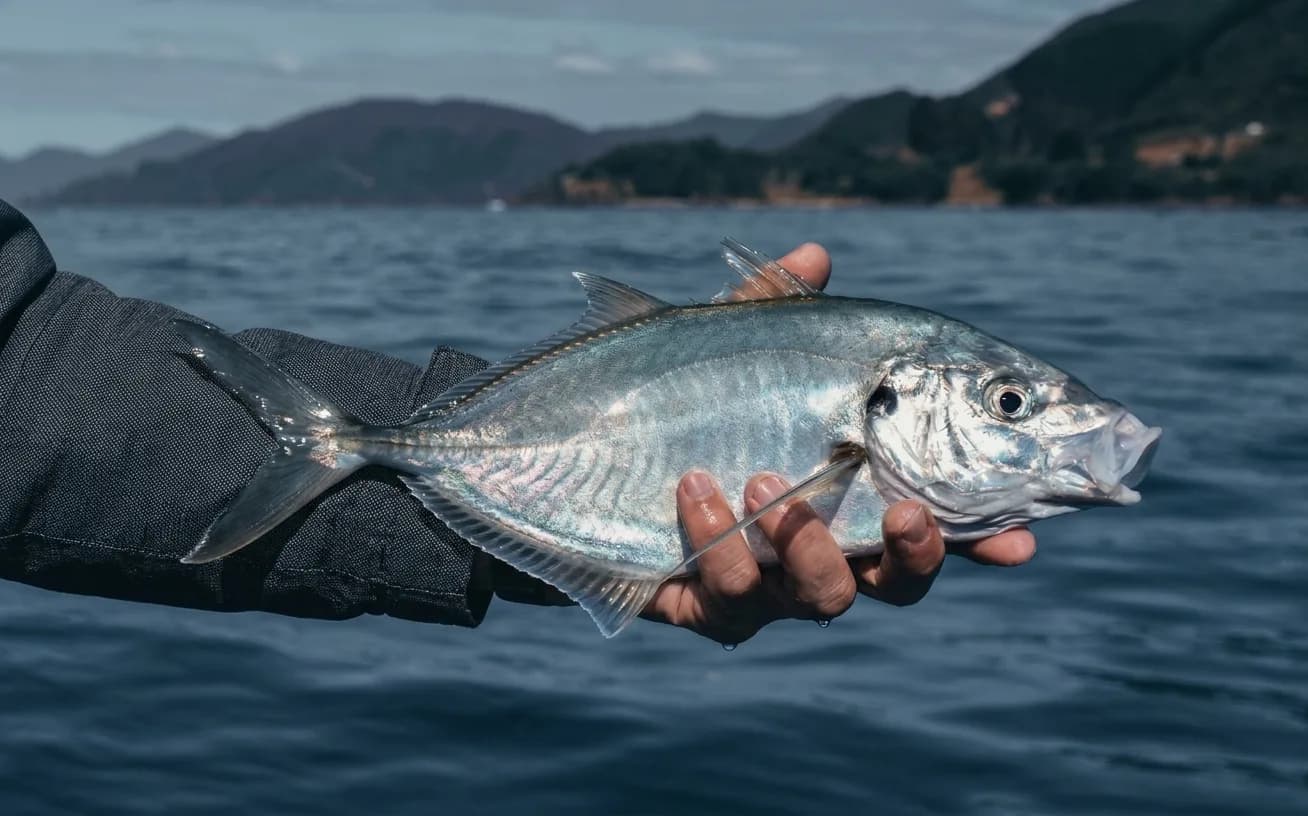
Trevally have a deep, rounded body with a silvery-blue colour and yellowish fins. Larger fish often develop darker greenish colouring around the shoulders and a more pronounced forehead.
One useful feature is the row of hard, ridged scales near the base of the tail, known as scutes. Trevally also have relatively small mouths, suited to feeding on tiny prey such as krill and plankton.
They feed in different ways depending on what's available. Sometimes you'll see them working near the surface, picking off small baitfish or krill. At other times, they'll be down near the bottom searching for worms, shellfish and small crustaceans.
Trevally grow relatively slowly and can live for decades, so it's worth being thoughtful about which fish you keep.
Where to Catch Trevally in NZ
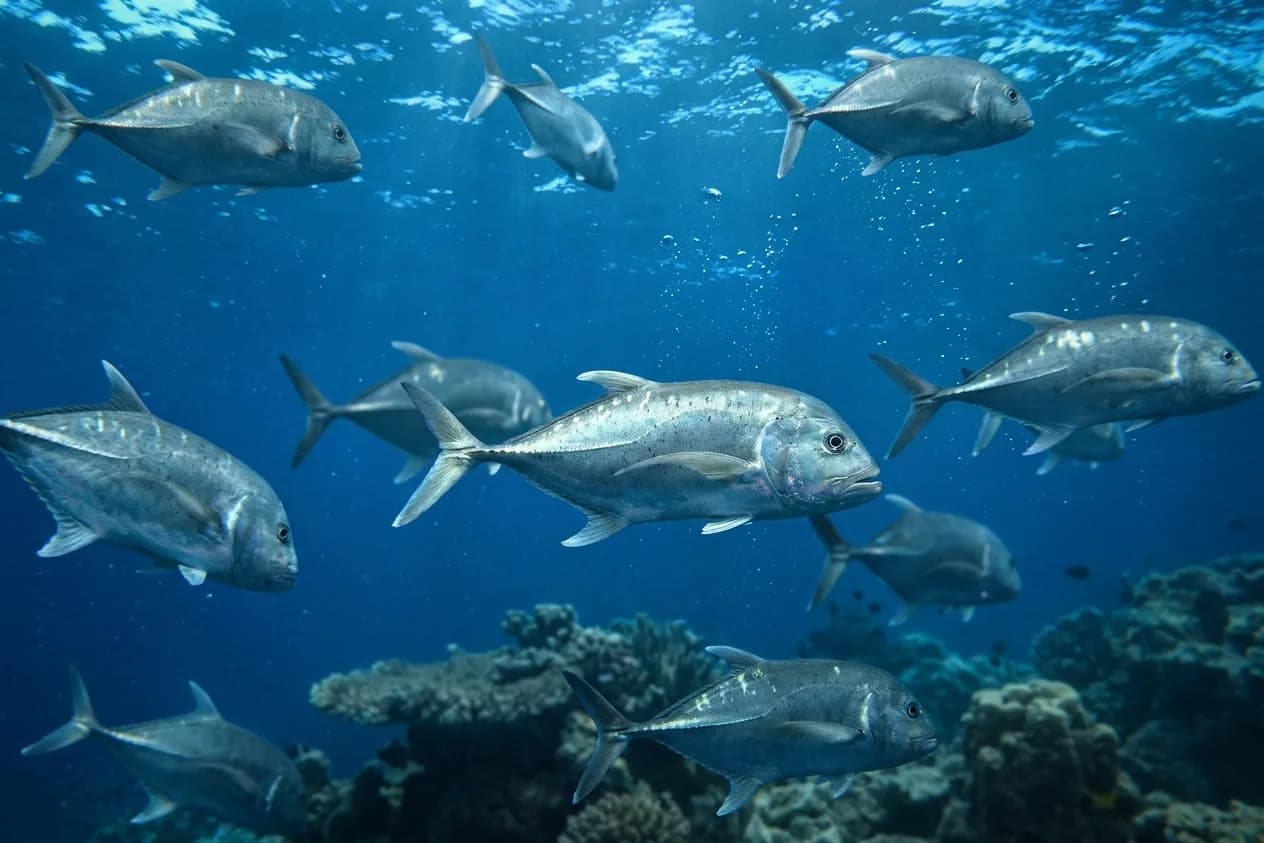
Trevally are most common in the warmer waters around the upper North Island, but they can be caught further south, particularly during summer. If you fish Northland, Auckland or the Bay of Plenty, check the fishing rules for Northland, Auckland and the Bay of Plenty before you keep any.
Rather than focusing on one particular type of spot, look for areas where different underwater features meet.
Reefs and Sandy Bottoms
Trevally often feed around the edges of reefs where rocky ground meets sand. These areas provide plenty of small crustaceans and shellfish while giving schooling fish places to move through and feed.
Try fishing along reef edges, sandy channels and the deeper water just beyond shallow structure.
Headlands and Offshore Islands
Headlands, pinnacles and offshore islands can attract schools of trevally, particularly where currents bring food into the area.
When conditions are right, trevally may push up towards the surface to feed on krill and plankton. Keep an eye out for surface activity, diving seabirds or patches of fish working in the current.
The Far North, Three Kings Islands and waters around White Island are known for larger trevally.
Harbours and Estuaries
Don't overlook harbours and estuaries. Trevally regularly move into inshore waters, especially during the cooler months.
Try harbour entrances, channels, shallow reefs and areas where current moves across a sandy bottom. Land-based anglers can also find them around suitable wharves, rocky points and beaches.
Beaches and Rocky Coastlines
Trevally can turn up while surfcasting for snapper and other coastal species. Beaches near reefs, rocky points and areas with some current are worth a look.
A steady berley trail can help bring fish within casting range, particularly when they're feeding close to shore.
When Is the Best Time to Catch Trevally?
Trevally can be caught throughout the year, but their location and feeding behaviour change with the season.
Winter and Spring
During winter and spring, trevally are often encountered in inshore areas and harbours around the Hauraki Gulf and other parts of the upper North Island.
These months can be productive for anglers fishing from the shore or working shallow reefs.
Summer and Autumn
Warmer months are a good time to look for trevally around offshore structure, headlands and islands. Schools can be encountered in open water, and summer fish may also show up further south than usual.
Best Time of Day
Trevally can be cautious feeders, particularly in clear water. Early morning and late afternoon are good times to try, while overcast conditions can also help.
That doesn't mean they'll only feed in low light. If you find a school actively feeding, it's worth fishing while they're there.
Tidal movement is another factor to consider. Try periods when the current is moving and carrying food past reefs, channels and other underwater structure.
How to Catch Trevally
Trevally can be caught using several methods, but light tackle, small hooks and natural-looking presentations are often the key.
1. Bait Fishing and Berley
Berley is one of the best ways to attract trevally and keep a school interested in your fishing spot.
Start a steady berley trail and use small strips or pieces of bait. Pilchard, squid and other cut baits can work, while shellfish such as mussels and tuatua are particularly worth trying.
Trevally have good eyesight and can be wary around fishing lines, especially in clear water. Keep your bait presentation tidy, avoid oversized hooks and consider using a fluorocarbon leader.
Light tackle can make the fight much more enjoyable, but don't go so light that you can't control a fish around foul ground.
Trevally also have relatively soft mouths, so set your drag carefully. Too much pressure can pull the hook free during a hard run.
2. Land-Based Trevally Fishing
Trevally are a good option for surfcasters and rock anglers because they often feed close to shore.
Look for beaches near reefs, rocky points, harbour entrances and areas with moving water. A berley bag can help attract fish, while small, well-presented baits can be more effective than large chunks.
If you're fishing from rocks, pay attention to swell and footing, and avoid standing too close to the water's edge.
3. Soft-Baits
Small soft-baits are worth trying when trevally are feeding on tiny baitfish or crustaceans.
Natural colours can be a good starting point. Soft-baits around 3–5 inches are a useful general size, although smaller profiles may work better when fish are feeding on very small prey.
Cast around visible schools, reef edges or current lines. Let the lure sink to the depth where the fish are holding, then retrieve it with small twitches and pauses.
If you can see fish feeding near the surface, avoid landing the lure directly on top of them. Cast slightly beyond the school and bring it through the feeding zone.
4. Micro-Jigging
Micro-jigs are another effective option, especially when trevally are holding around reefs or feeding in open water.
Jigs around 7–25 g are a reasonable starting range, depending on depth and current. Use a controlled lift-and-drop action, varying your retrieve until you find what the fish respond to.
If the fish are feeding near the surface, keep your jig higher in the water column rather than letting it sink all the way to the bottom.
5. Fly Fishing
Trevally can be challenging on fly when they're feeding heavily on tiny krill. They may ignore larger flies while focusing on very small food.
A small krill imitation or baitfish pattern can help. Pink and white patterns are worth carrying, along with smaller flies that can be presented delicately.
When fish are feeding on the surface, make accurate casts ahead of the school and let the fly settle naturally.
What Gear Do You Need?
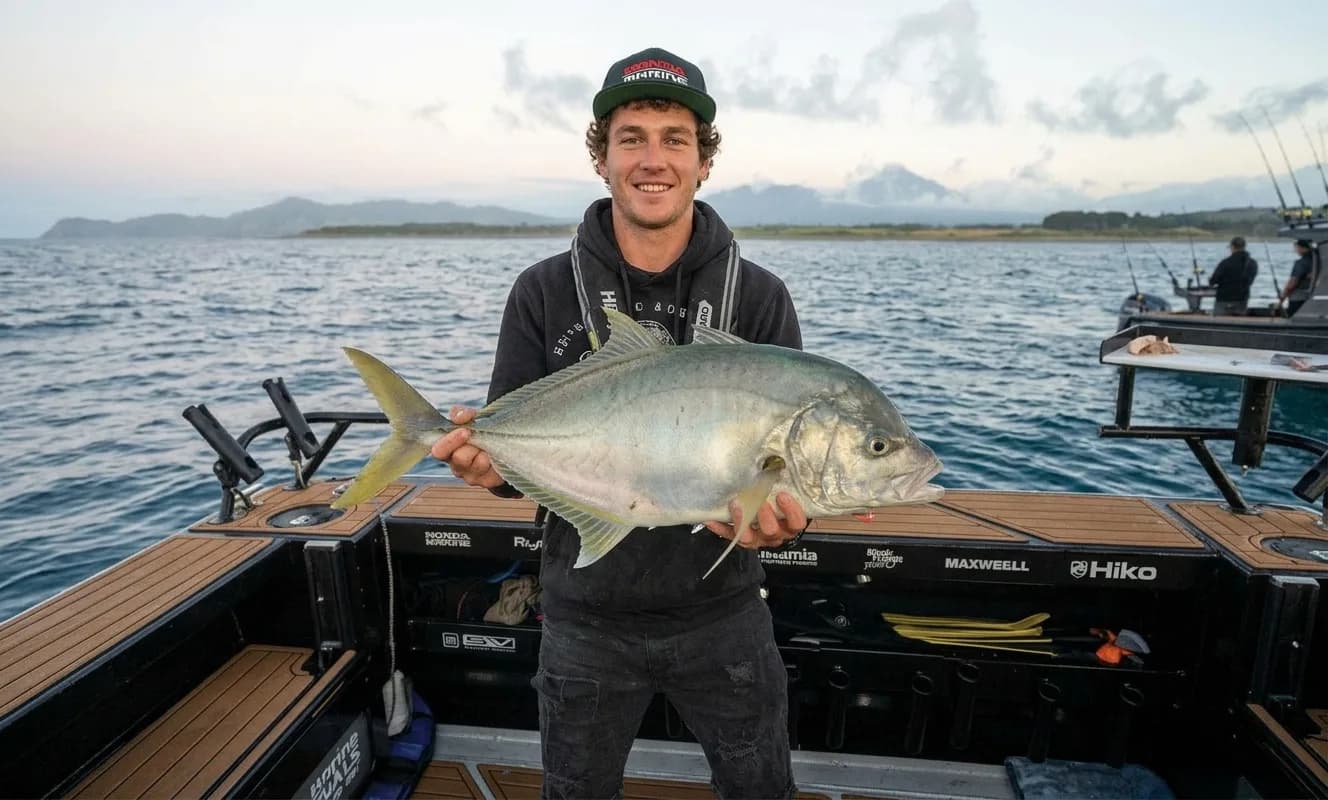
You don't need heavy gear to enjoy trevally fishing. In fact, lighter tackle often makes the experience more rewarding.
For bait fishing:
- A light-to-medium spinning rod and reel
- Around 15–30 lb fluorocarbon leader, adjusted to the conditions
- Small, strong hooks
- Small pieces of bait, including shellfish
- A berley bag or another suitable way to create a steady trail
For soft-baits and micro-jigs:
- A light spinning outfit
- Small soft-baits or micro-jigs
- A leader suited to the size of the fish and the surrounding structure
If you're fishing around sharp reef, heavy current or larger fish, step up your leader strength as needed. The goal is to keep the presentation natural without giving the fish too much opportunity to bust you off.
Tips for Catching More Trevally
- Use berley consistently. A steady trail is generally more useful than dumping a large amount in at once.
- Downsize your bait and hooks. Trevally often feed on small prey, so a smaller presentation can make a difference.
- Keep your leader tidy. In clear water, avoid unnecessarily heavy terminal tackle.
- Watch for surface activity. Diving birds, ripples and patches of feeding fish can reveal where a school is holding.
- Try reef edges and sandy channels. These areas often provide a mix of food and structure.
- Adjust your drag carefully. Trevally fight hard, but excessive pressure can tear hooks out of their soft mouths.
- Handle your catch well. If keeping trevally for the table, bleed them promptly and chill them properly. Freshly handled trevally can be excellent sashimi, provided it's prepared and stored safely.
Trevally Size Limit and Daily Limit in NZ
Trevally must be at least 25 cm to keep, measured from the tip of the snout to the fork of the tail. That minimum is the same in every fishing area.
In most of the country there is no separate daily limit for trevally. They count towards your combined daily finfish limit for that area. Fiordland and the Chatham Islands are different, with a limit of 5 trevally a day.
Limits change, so check our NZ fishing rules by area or the free NZ Fishing Rules app from Fisheries New Zealand before every trip.
Are Trevally Good to Eat?
Yes, trevally are good eating when they're fresh and handled properly. Their flesh can work well as sashimi, as well as in cooked dishes.
If you plan to eat your catch raw, make sure it's handled and stored appropriately. Freezing alone doesn't guarantee that fish is safe to eat raw, so follow recognised food-safety guidance.
As trevally grow slowly, consider keeping only what you need and releasing fish you don't intend to eat.
Final Thoughts
Trevally are a rewarding target for anglers who enjoy light tackle and a bit of a challenge. They're widespread around New Zealand's coastal waters, can be caught from the shore or a boat, and respond well to simple techniques like bait fishing, berley and small lures.
Start by looking for reef edges, sandy channels and areas with moving current. Use small baits, keep your presentation natural and stay alert for schools feeding near the surface.
Once you find them, trevally can provide some seriously good sport — and a tasty feed to take home.