
Chatham Islands fishing rules
Size and daily limits for the Chatham Rise, including the Chatham Islands, out to the edge of the exclusive economic zone.
Checked against MPI on 28 October 2026 (MPI last reviewed 15 July 2026). Rules change, and some harbours and reserves have their own rules or are closed. Always check the official app before you keep a fish.
Popular fish
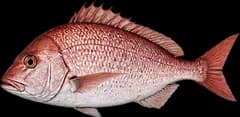
Snapper
tāmure
- 5 a dayMin 25 cm
New Zealand's most popular saltwater fish. Pinkish-red with bright blue spots. Found over reefs, channels, mussel farms and soft bottom from the shore out to around 100 m. Ledger rigs with fresh bait, softbaits and slow jigs all work, best around the change of light and the tide.
Spring snapper: how to rig up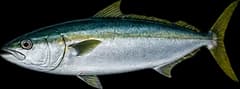
Kingfish
haku
- 1 a dayMin 75 cm
Big, fast and strong, with a yellow tail and a bronze stripe down the side. Hunts around pinnacles, points, reefs and wharves. Live bait, jigs and stickbaits on heavy gear. Many anglers release the big breeders.
How to catch kingfish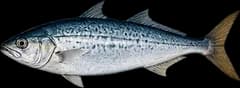
Kahawai
- 5 a dayNo minimum
Silver, hard-fighting and found in schools right around the coast, often busting up bait on the surface. Takes small lures, softbaits, flies and bait. Bleed it straight away and keep it cold for the best eating.
How to catch kahawai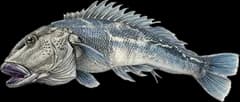
Blue cod
rāwaru
- 5 a dayMin 33 cmLand whole, gutted, or headed and gutted (headed minimum 24 cm).
The classic southern reef fish, found right around the country but most common from Cook Strait south. A curious fish that comes to bait readily. Limits vary a lot from place to place, and it must be landed whole or gutted in most areas so it can be measured.
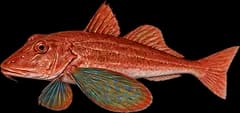
Gurnard
kumukumu
- 5 a dayMin 25 cm
Red gurnard live on sand and mud bottoms and walk along on the front rays of their fins, which have bright blue edges. They grunt when landed. Small baits on flasher rigs drifted over sand work well.
How to catch gurnard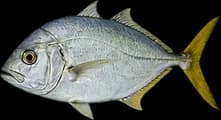
Trevally
araara
- 5 a dayMin 25 cm
Schooling fish with a soft mouth, so play them gently. Found in harbours, around reefs and along surf beaches. Small baits and berley bring them in.
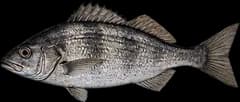
Tarakihi
- 5 a dayMin 25 cm
Silver with a black band behind the head. Lives over sand and gravel near reefs, usually in deeper water. Small hooks with bait.
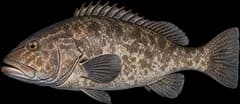
Hāpuku
- 2 a dayNo minimum
Hāpuku and bass are big groper from deep reefs, often 100 m or more. Heavy gear and big baits. Limits are low, so take only what you need.
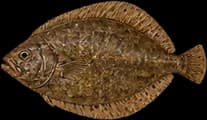
Flounder
pātiki
- Flatfish10 a dayMin 25 cm
- Sand flounder10 a dayMin 23 cm
Flatfish of harbours, estuaries and sandy shallows. Small baits on light gear, or set nets and spears where allowed. Sand flounder often has a smaller minimum than other flatfish.
- Flatfish
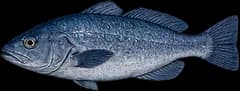
Blue moki
- 5 a dayMin 40 cm
Grey-blue reef fish often found over sand next to rocks. Takes shellfish and crab baits.
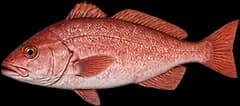
Red cod
- 5 a dayMin 25 cm
Soft-fleshed fish of sandy and muddy bottoms, more common in the south. Best eaten fresh.
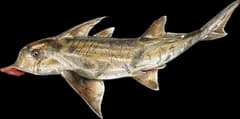
Elephant fish
- 5 a dayNo minimum
A shark relative with a trunk-like snout that feeds over sand, mostly on the east coast of the South Island in spring and summer. Takes shellfish and crab baits.
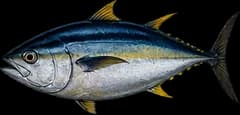
Tuna
- 1 a dayNo minimum
Southern bluefin tuna turn up offshore in winter. Big fish on heavy game gear.
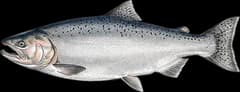
Salmon
- Quinnat salmon1 a dayNo minimum
- Salmon1 a dayNo minimum
Quinnat (chinook) salmon run up the big South Island rivers in summer and are sometimes caught at sea near the river mouths.
- Quinnat salmon
All finfish limits
Every species counts towards the 30 a day. Some also have their own lower limit.
| Species | Daily limit | Minimum size |
|---|---|---|
Blue codLand whole, gutted, or headed and gutted (headed minimum 24 cm). | 5 | 33 cm |
Blue moki | 5 | 40 cm |
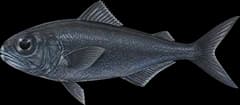 Bluenose | 2 | — |
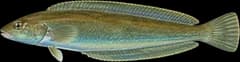 Butterfish (greenbone) | 5 | 35 cm |
Elephant fish | 5 | — |
Flatfish | 10 | 25 cm |
Sand flounder | 10 | 23 cm |
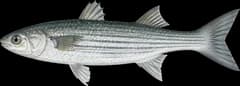 Grey mullet | 5 | — |
Hāpuku / bass | 2 | — |
Gurnard | 5 | 25 cm |
Kingfish | 1 | 75 cm |
Kahawai | 5 | — |
Lamprey | 5 | — |
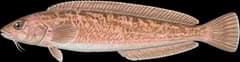 Ling | 5 | — |
Marblefish | 5 | — |
Red cod | 5 | 25 cm |
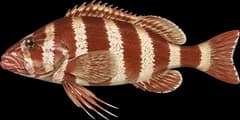 Red moki | 5 | 40 cm |
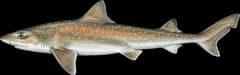 Rig | 5 | — |
Snapper | 5 | 25 cm |
Tarakihi | 5 | 25 cm |
Trevally | 5 | 25 cm |
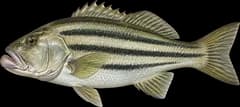 Trumpeter | 5 | 35 cm |
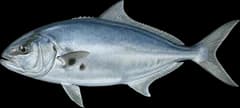 Warehou | 5 | — |
Wrasse | 5 | — |
Stargazer | 2 | — |
Spiny dogfish | 15 | — |
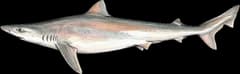 School shark | 1 | — |
Skate / ray | 1 | — |
Sharks (blue, bronze, hammerhead, mako, porbeagle, seven-gilled)1 of each. | 1 | — |
Thresher shark1 game shark in total. | 1 | — |
Marlin | 1 | — |
Quinnat salmon | 1 | — |
Salmon | 1 | — |
Southern bluefin tuna | 1 | — |
Spotted black groper | No take | — |
White pointer shark | No take | — |
| All other finfish | Within the 30 | — |
Baitfish: 50 a day
Any mix of:
Anchovy, Jack, horse or Chilean mackerel, Koheru / scad, Pilchard, Piper / garfish, Slender or stout sprat, Yellow-eyed mullet.
Freshwater eels: 2 a day
On top of the 30 finfish and the baitfish.
Shellfish
| Species | Daily limit | Minimum size |
|---|---|---|
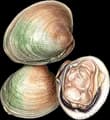 Cockle | 50 | — |
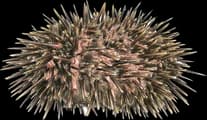 Kina (sea eggs) | 10 | — |
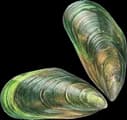 Mussels | 50 | — |
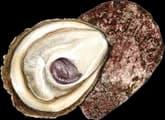 Dredge oystersSeason 1 March to 31 August for dredging or diving with breathing apparatus. Hand-gathered any time, but the 58 mm minimum still applies. | 50 | 58 mm |
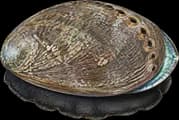 Pāua (ordinary) | 5 | 125 mm |
Pāua (yellow foot) | 5 | 80 mm |
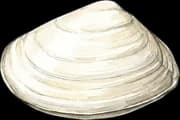 Pipi | 50 | — |
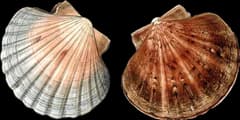 ScallopsSeason 15 July to 14 February. | 20 | 100 mm |
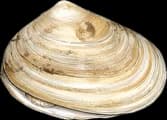 Tuatua | 50 | — |
Rock lobster (crayfish)
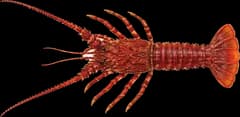
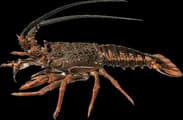
- 2 a day, spiny (red) and packhorse combined.
- Closed season 1 March to 30 April every year (CRA 6): no taking, potting or holding rock lobster.
- Minimum tail width: spiny (red) rock lobster 54 mm for males and 60 mm for females; packhorse rock lobster 84 mm for males and 90 mm for females. If unsure of the sex, use the female size.
- Return any female carrying eggs, any soft-shelled rock lobster and any you can’t measure.
Good to know
- The 30 finfish limit is per person per day, for any mix of finfish. Freshwater eels are limited to 2 a day here.
- No accumulation: never hold more than one day’s limit of finfish or shellfish.
- It is illegal to buy, sell or swap fish you catch recreationally.
Other areas
Planning a trip? Check the bite times and tides for your spot.