
Beginner
Snapper Fishing in New Zealand: Where, When and How to Catch Them
Snapper are New Zealand’s favourite saltwater fish. Learn where to find them through the year, the best tides and times, which baits and rigs work, and the size limits.
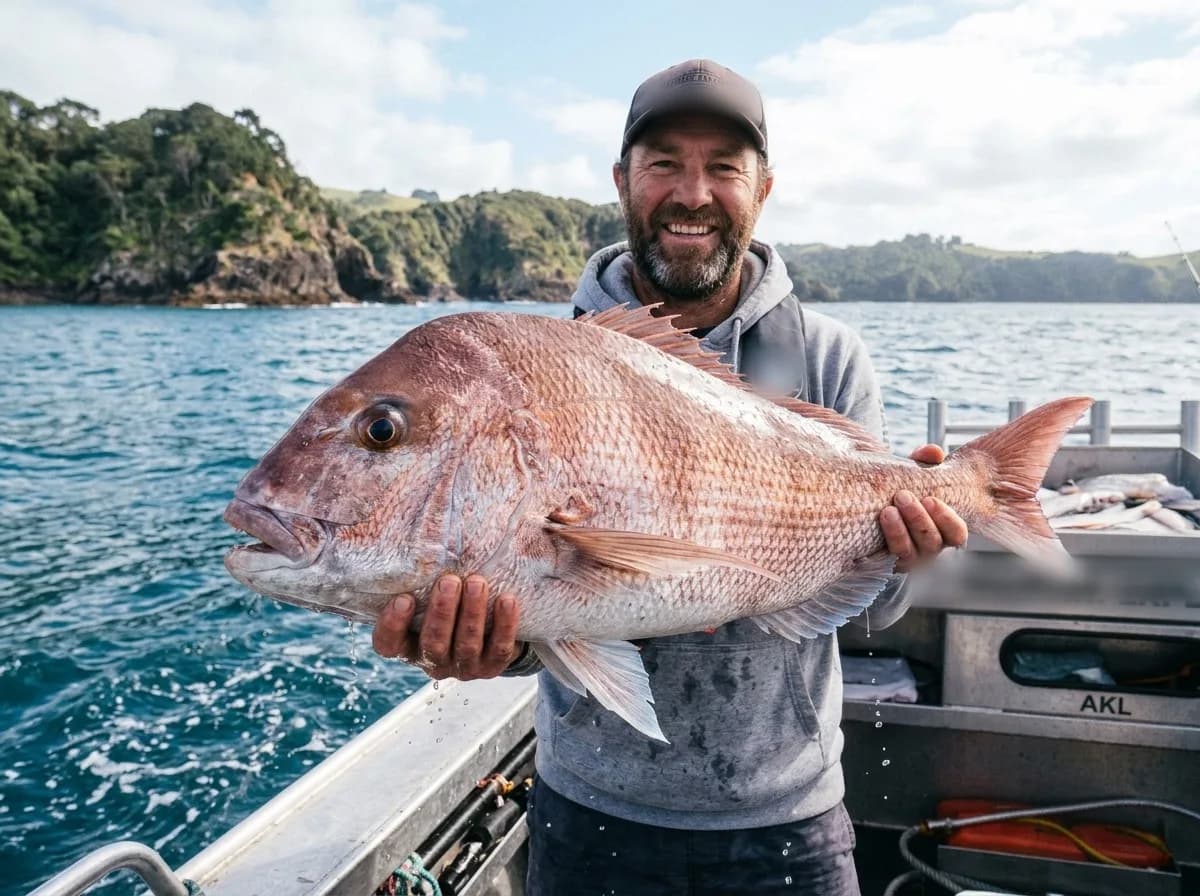
Snapper are New Zealand’s favourite saltwater fish. They are found from the far north to the top of the South Island, they turn up everywhere from wharves and rocks to deep reefs, and they are excellent eating. Whether you fish from a kayak, a small boat or the shore, there is a way to catch one.
This guide covers where to find snapper, when to go, and the main ways to catch them. For each method there is a link to a more detailed guide if you want to go further.
Snapper at a Glance
- Māori name: Tāmure
- Scientific name: Chrysophrys auratus
- Typical size: 30–45 cm, around 1–3 kg. Fish over 10 kg are rare and highly prized
- Lifespan: they grow slowly and can live for decades, which is why big fish are worth looking after
- Eating quality: excellent, with firm white flesh
- Size and daily limits: depend on where you fish. See the size limits section below
What Do Snapper Look Like?
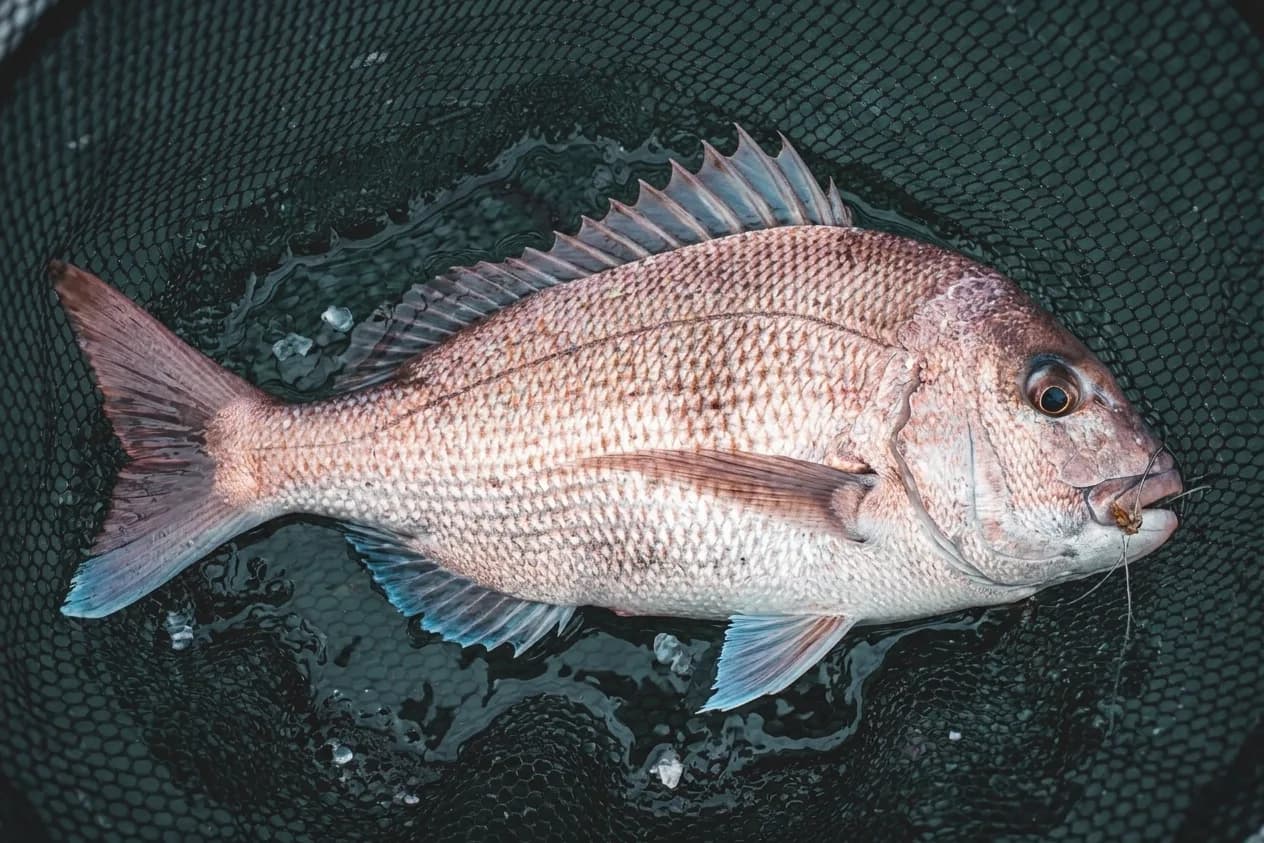
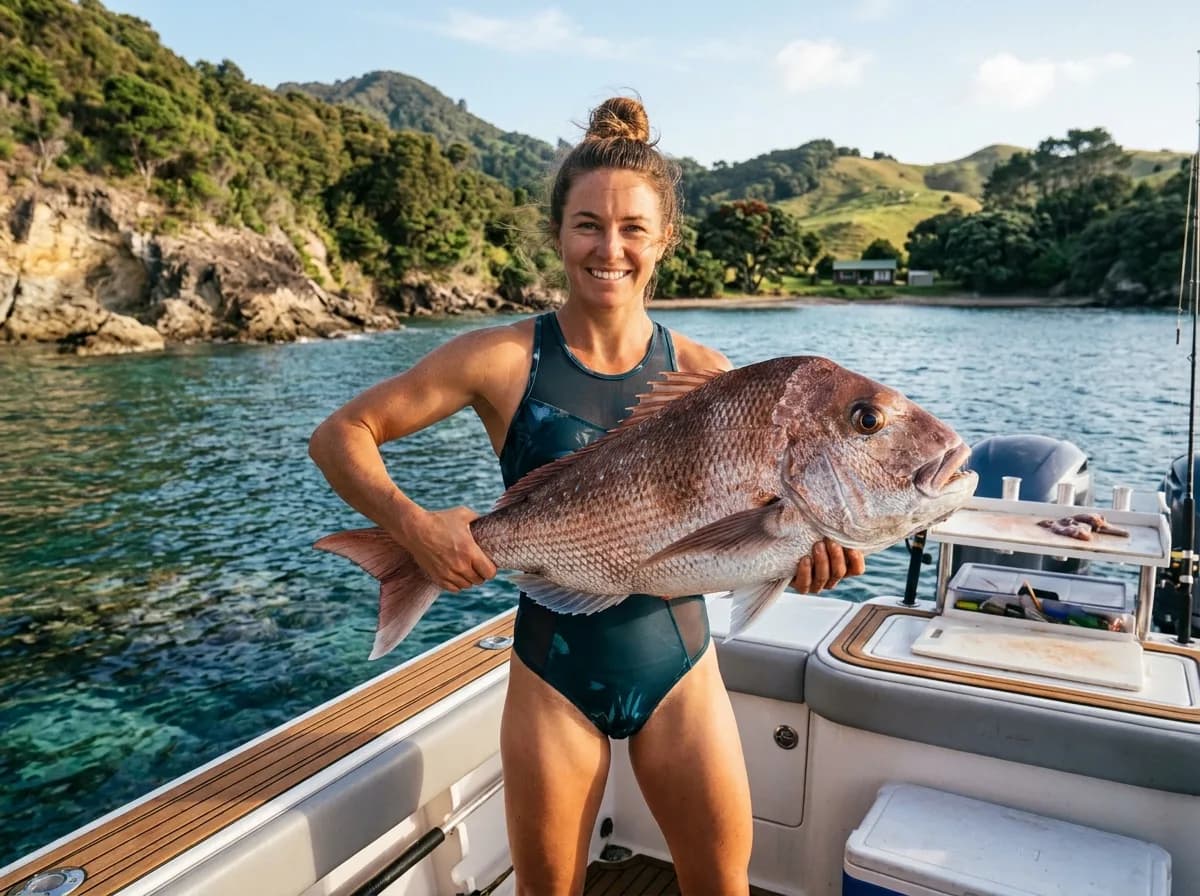
Snapper are pink to coppery red on the back, fading to silver-white on the belly, with small bright blue spots scattered along the upper body. The blue spots are brightest on smaller fish and fresh from the water.
Older fish often develop a bump on the forehead and a thicker snout. Anglers call these big fish “knobbies”, and they are usually the ones everyone wants a photo with.
Where to Catch Snapper in New Zealand
Snapper prefer warmer water, so they are most common around the North Island. The Hauraki Gulf, Northland, the Bay of Plenty and the west coast harbours from the Kaipara down to Raglan all have strong snapper fisheries. In the South Island they are mainly found around Tasman Bay, Golden Bay and the Marlborough Sounds, and they become rare further south.
1. Reefs, Weed Edges and Foul Ground
The edge where rock or kelp meets sand is one of the most reliable places to fish. Snapper patrol these margins looking for crabs, shellfish and small fish. Broken ground with patches of reef and sand is also worth a drift.
2. Harbours and Channels
Snapper move in and out of harbours with the tide. Channel edges, points and drop-offs where the current runs past are good places to anchor and set up a berley trail.
3. Wharves, Rocks and Beaches
You do not need a boat. Wharves, rock ledges and surf beaches all produce snapper, especially early and late in the day and when the water has some colour. Fresh bait and a steady berley trail make a big difference from the shore.
4. Mussel Farms and Work-ups
Mussel farms attract snapper because food falls from the lines. Fish around the edges rather than tying up to the lines themselves. Work-ups, where gannets are diving and baitfish are busting the surface, often have snapper feeding underneath. Stay on the edge and fish below the action rather than driving through the middle.
Best Time to Catch Snapper
Snapper can be caught all year, but where they are and how they feed changes with the seasons.
- Spring: as the water warms, snapper move into shallow water to feed before spawning. This is the best time of year to catch one from the shore or a small boat. Our spring snapper guide covers where to look and how to rig.
- Summer: snapper spawn through late spring and summer in northern waters. Fish are spread out but still feeding, and early mornings and evenings are the pick.
- Autumn: fish feed hard and are often in great condition. Work-ups are common and fishing can be excellent.
- Winter: many snapper move into deeper water. You can still catch them, but you may need to fish deeper and slower.
Through the day, dawn and dusk are usually the most productive times. Low light brings snapper in closer and makes them less cautious.
Does the Tide Matter?
Yes. Snapper usually feed best when the water is moving, so the hour or two either side of the tide change is a good time to be fishing. Each spot has its own pattern, so it pays to keep notes on when you get bites.
What About the Moon?
Many anglers plan around the moon. Around the new and full moon the tides are bigger and the current runs harder, which can trigger feeding. Bite times based on the moon, combined with a tide change at dawn or dusk, are a good starting point. You can check today’s bite times, tides and wind for your spot on our free fishing forecast.
How to Catch Snapper
There are four main ways to target snapper. You do not need to master them all. Pick the one that suits where and how you fish.
1. Bait Fishing and Straylining
Bait fishing is the most popular way to catch snapper. A running rig, with a ball sinker sliding above a swivel and a single circle hook, works well from wharves, rocks and boats. Straylining, where an unweighted or lightly weighted bait drifts down through a berley trail, is a classic New Zealand method that works especially well in shallow water. Our straylining guide explains it step by step.
2. Soft Baits
Soft baits are a great way to cover water and are deadly in the shallows. Use the lightest jig head that will reach the bottom, cast ahead of the drift and let the lure sink, then lift and drop it. Most bites come as the lure falls. See the soft bait setup in our spring snapper guide.
3. Jigs
Metal jigs catch snapper from shallow water to deep reefs. Microjigs suit light gear in shallow water, while slow-pitch and knife jigs get down quickly in deeper water. Our guide to catching snapper on jigs covers each style and how to work it.
4. Ledger (Flasher) Rigs
A ledger rig has a sinker at the bottom and two short droppers with hooks above it. Many come ready-tied with flasher material on the hooks. It is the easiest way for beginners to catch snapper from a boat: drop it to the bottom, wind up slightly so the sinker just touches, and wait for the bite.
Best Bait for Snapper
Fresh bait beats frozen almost every time. If you can catch a kahawai or a few jack mackerel before you start, cut them into strips or use them whole for bigger fish. Otherwise, these are reliable:
- Pilchards: soft and oily, great in a berley trail. Use half a pilchard on a circle hook
- Squid: tough and stays on the hook well, good when small fish keep stealing your bait
- Fresh fish strips: kahawai, mackerel or trevally, cut into strips
- Shellfish: tuatua and mussels work well around the rocks and in harbours
Berley brings snapper to you and keeps them there. A frozen berley log in a mesh bag or pot, hung over the side or lowered to the bottom, is simple and effective. Keep it going steadily, because a trail that stops is a trail the fish leave.
What Gear Do You Need for Snapper?
Rod and Reel
For most snapper fishing a spinning reel in the 2500 to 4000 size on a matching rod is ideal for soft baits and light bait fishing. Step up to a 5000 to 6000 size reel for heavier bait fishing from the rocks or a boat in deeper water. If you are buying your first reel, how to pick your first spinning reel explains sizes, drag and gear ratio.
Line and Leader
Braid in the 10 to 20 lb range gives you feel and casting distance. Add a leader of 15 to 30 lb fluorocarbon or mono, a metre or two long. It is less visible than braid and stands up better to rubbing on rocks and the snapper’s teeth.
Hooks and Rigging
Circle (recurve) hooks are the best choice for bait fishing. They usually hook snapper in the corner of the mouth, which makes undersized fish much easier to release. Do not strike hard with circle hooks. Let the line come tight, then wind and lift steadily.
Size Limits and Looking After the Fish
Snapper size and daily limits are different around the country. As an example, these were the limits on the Ministry for Primary Industries (MPI) website in October 2026:
- Auckland East (North Cape to Cape Runaway, including the Hauraki Gulf and Bay of Plenty): 7 a day, minimum 30 cm
- Auckland West (North Cape to Tirua Point, including the Kaipara and Manukau harbours): 10 a day, minimum 27 cm
- Central area: 10 a day, minimum 27 cm
- Challenger area: 10 a day, minimum 25 cm, but only 3 a day in the Marlborough Sounds
Our NZ fishing rules guide has the current snapper, kingfish and blue cod limits for every area. Rules change, and some harbours and reserves have their own rules or are closed. Always check the MPI fishing rules or the free NZ Fishing Rules app before you go.
A few simple habits help keep the fishery healthy:
- Carry a measuring board and measure every fish before you keep it
- Use circle hooks with bait so undersized fish are easy to release
- Wet your hands, support the fish and get it back in the water quickly
- Take what you need. You do not have to reach the limit for it to be a good day
After a day on the water, give your reel a rinse. Salt is what kills reels, and five minutes of care after each trip adds years to yours.
Tips for Catching More Snapper
- Fish the low light. Dawn and dusk are hard to beat, especially in shallow water
- Fish the moving water. Plan your trip around a tide change
- Go light. Use the lightest sinker or jig head that holds the bottom. Natural-looking baits get more bites
- Keep the berley going. A steady trail brings fish in and keeps them close
- Move if it is quiet. Snapper move around. If you have had no bites in half an hour, try somewhere else
- Keep notes. Write down the spot, tide, time and what worked. Patterns show up quickly
Common Questions
What is the best time of day to catch snapper?
Dawn and dusk are usually the most productive, especially when they line up with a tide change.
What is the best bait for snapper in NZ?
Fresh fish strips are hard to beat. Pilchards and squid are reliable standbys, and shellfish work well around the rocks.
What size snapper can you keep in New Zealand?
It depends on the area. In October 2026 the minimum was 30 cm in Auckland East and 27 cm in Auckland West and the Central area, and 25 cm in the Challenger area. Check the MPI fishing rulesSee the snapper limits for each area, or check the
What size reel do I need for snapper?
A 2500 to 4000 size spinning reel suits most snapper fishing with soft baits or light bait rigs. Go up to 5000 or 6000 for heavier bait fishing from the rocks or in deeper water.
Final Thoughts
Snapper are a great fish to target whatever your experience. Start with a simple rig and fresh bait, fish the tide change at dawn or dusk, and keep moving until you find them. Once you have caught a few, try soft baits or jigs and see which style you enjoy most.
Tight lines. Questions about gear or rigs? Email us at hello@coastcast.nz.