
Beginner
Fishing in Auckland: Catch Summer Snapper Close to Shore
You don't have to head offshore to catch summer snapper in Auckland. Discover the best inshore fishing spots, tackle, baits and tips for fishing the Waitematā Harbour and surrounding waters.

Summer fishing in Auckland doesn't always mean heading miles offshore.
While plenty of boats are making their way out into the Hauraki Gulf, some of the best snapper fishing can be found surprisingly close to home. Harbours, shallow channels and sheltered coastlines can all hold good numbers of fish during the warmer months.
So before you burn through a tank of fuel chasing offshore workups, it might be worth slowing down and having a look around your local waters.
The old saying "fish your feet first" makes a lot of sense during summer.
Why Fish Close to Shore in Summer?
Snapper (Pagrus auratus), known as tāmure in Māori, move into shallower inshore waters during their breeding season. This means fish can often be found much closer to shore than you might expect.
During spring and autumn, many anglers head out to deeper areas of the Hauraki Gulf, often fishing around 35–50 metres using kabura, inchiku and micro-jigs.
But summer can be a different story.
Snapper often gather around harbours, shallow reefs and coastal channels. They're not always easy to catch, but there's no need to travel far to find them.
And there's something pretty special about hooking a decent snapper just a short distance from the Auckland waterfront, with the city going about its usual business in the background.
Where to Fish Around Auckland
Auckland has plenty of sheltered inshore water worth exploring during summer. You don't necessarily need a big boat either. Kayaks, small dinghies, fishing skis and even land-based setups can all get in on the action.
Some areas worth exploring include:
- Waitematā Harbour: The inner harbour can produce good summer snapper fishing, including areas surprisingly close to the city.
- Viaduct and downtown waterfront: Fish can be found around suitable deeper channels and structure, although busy commercial and recreational traffic means you need to be particularly careful.
- Devonport: The surrounding channels and nearby inshore waters are worth exploring.
- Tamaki Strait: A productive area to investigate, particularly around current lines and channels.
- Half Moon Bay: Another handy starting point for exploring nearby inshore fishing grounds.
- Waiheke Island channels: Moving water and underwater structure can attract feeding fish.
You may even find yourself catching snapper within sight of the Harbour Bridge!
Just remember that these are busy waterways. Pay attention to ferry routes, commercial shipping, restricted speed zones and no-anchoring areas. Keep a safe distance from other vessels and never get in the way of ferries or container ships.
Best Tackle for Summer Snapper
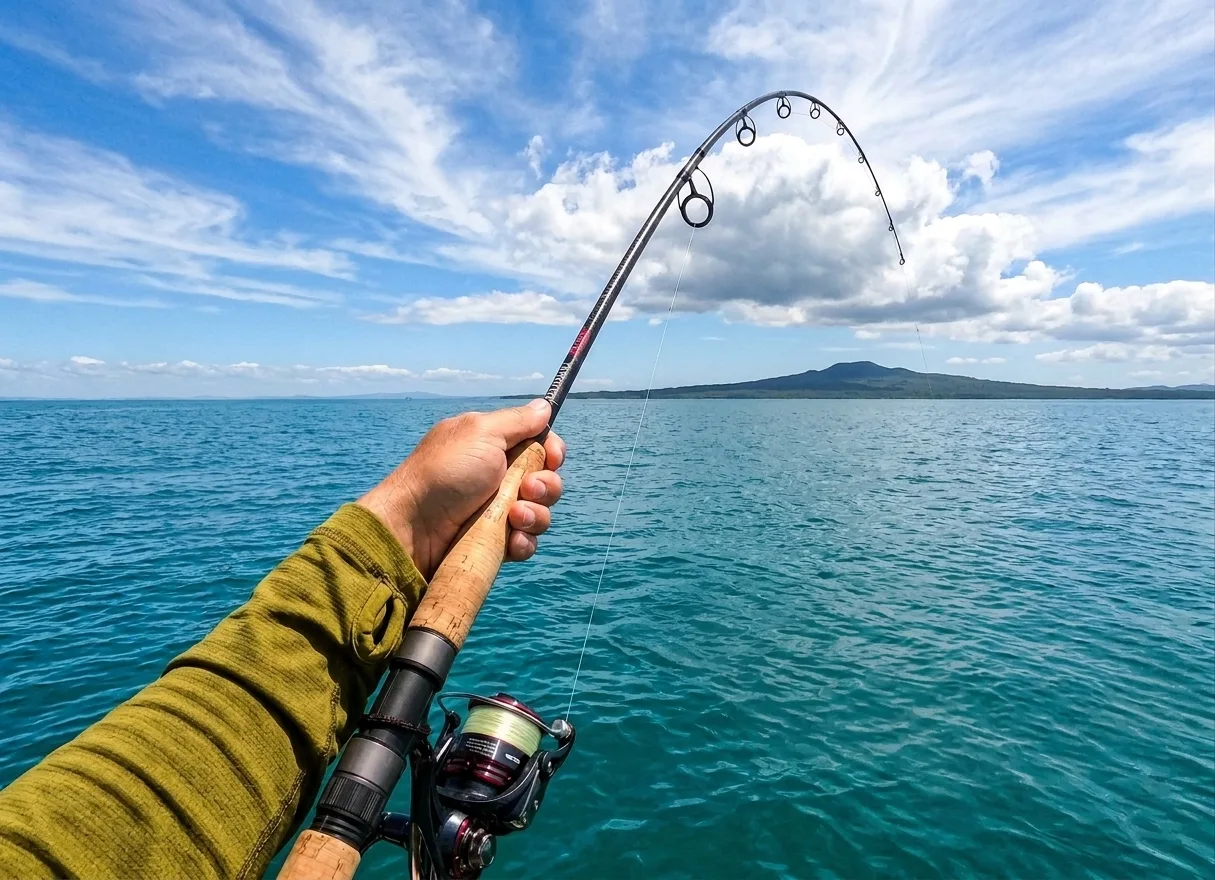
You don't need an expensive offshore setup for this style of fishing. A light spinning outfit is often all you need.
A 7-foot soft-bait rod paired with a 2000–3000 size reel makes a great starting point.
For line, around 15 lb braid is plenty for most situations. A leader of around 15–20 lb is a useful starting range, although you may need to adjust it depending on the structure and current.
Soft-Baits
Soft-baits are a great option when prospecting shallow water.
Try 3–5 inch soft-baits with light jig heads around ¼ oz. If there's more current or wind, you may need to go heavier.
It's also worth trying heavier jig heads, even around 1 oz, when working soft-baits closer to the bottom.
Don't get too attached to one colour. Snapper can be surprisingly fussy, so switch things around if you're not getting bites.
Micro-Jigs
Small micro-jigs around 7–20 g are another option worth carrying.
Some days they'll outperform soft-baits, especially when fish are actively feeding. Change between the two regularly rather than sticking with the same lure all day.
Inchiku Jigs
Don't be afraid to try an inchiku either.
You might normally associate larger inchiku jigs with deeper water, but they can work surprisingly well in shallow areas too.
Even an 80 g inchiku can catch snapper in around 10 metres of water. Cast it out and slowly work it back towards the boat, allowing it to move naturally along the bottom.
Sometimes the lure you least expect to work ends up being the one that saves the day.
What Bait Works Best?
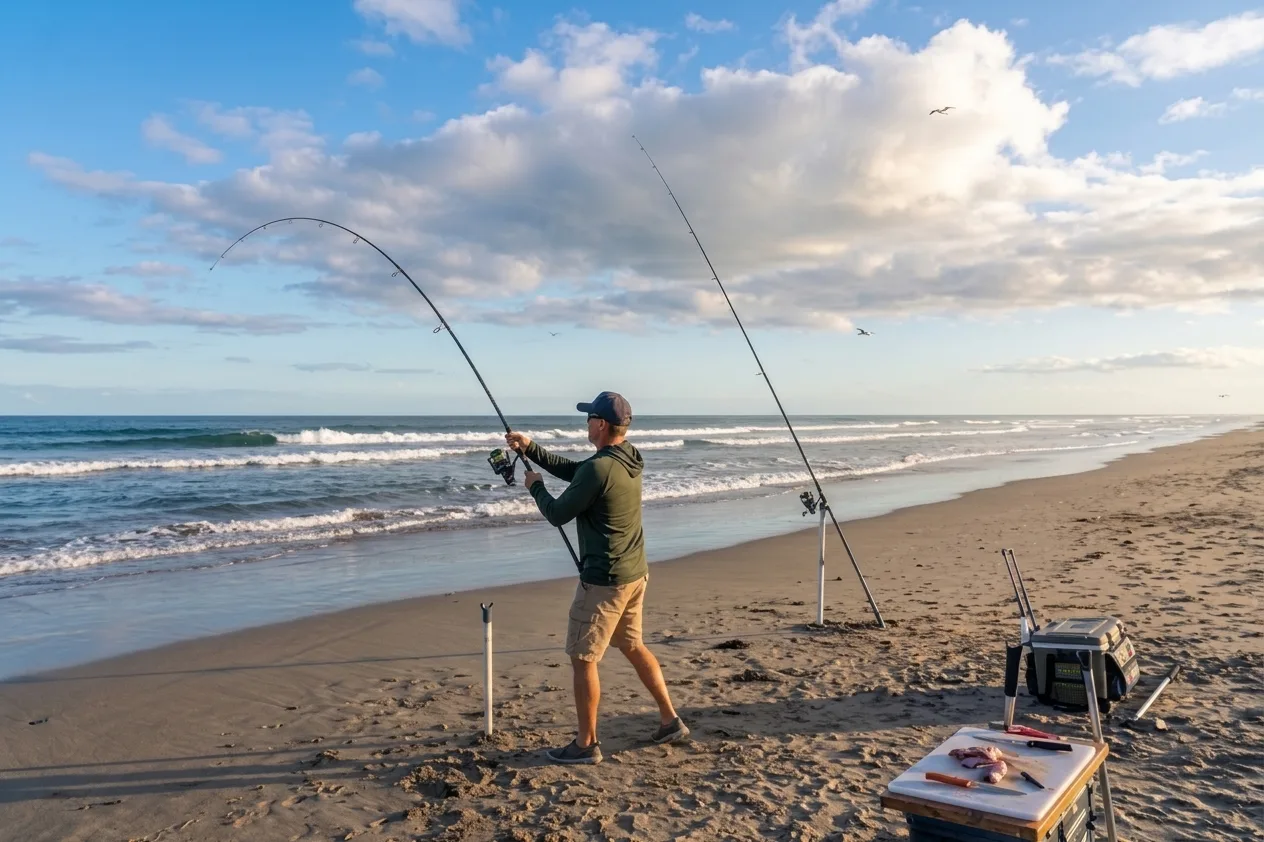
Summer snapper aren't always hungry, particularly when they're focused on spawning. When the bite is slow, smaller and fresher baits can be a better option than throwing out a massive slab of fish.
Good options include:
- Fresh mussels
- Tuatua
- Squid strips
- Small pieces of pilchard
- Fresh kahawai or jack mackerel
Mussels and tuatua are particularly worth trying. Use bait cotton to keep softer baits on the hook.
Squid is another reliable choice, especially when fishing from the shore.
Give Berley a Go
If you're fishing at anchor, a steady berley trail can make a real difference.
It can attract snapper, trevally, gurnard, kahawai and other species into the area. You might end up with a much more interesting session than you originally planned.
Try to position your boat so the wind and tide work together, allowing the berley trail to flow naturally behind you.
For bait fishing, a strayline rig is a good option in suitable conditions. If the current is stronger, a ledger rig or breakaway sinker can help keep your bait in the right area instead of rolling along the bottom.
When Is the Best Time to Fish?
Tide movement is important when fishing Auckland's inner channels. Check the Auckland tide and bite times before you head out.
Snapper often become more active when water is moving, so mid-tide can be a good time to fish.
Slack water can be a useful opportunity to grab a drink, have a bite to eat or move to another spot.
Wind direction matters too. Wind against tide can make narrow channels surprisingly choppy, particularly for smaller boats and kayaks.
On the other hand, sheltered areas close to shore can offer much more comfortable conditions than heading out into open water.
Check the marine forecast before leaving and choose an area that suits your boat and experience.
A Few Tips to Improve Your Catch Rate
Summer snapper can move around quite a bit, so don't be afraid to explore.
Here are a few things worth trying:
Keep moving. If nothing is happening, move a few hundred metres and try again. You don't need to spend the whole day sitting over one patch of water.
Cast in different directions. Fish may be holding in small groups around you. Try casting ahead, behind and to either side of the boat.
Let your lure work naturally. Current and drift direction change how your lure moves. Experiment with different retrieves and pauses.
Try dragging a lure behind the boat. When drifting, letting a soft-bait or jig trail along the bottom can create little puffs of sediment that attract a snapper's attention.
Don't lock up your drag. Snapper and trevally can make some powerful runs in shallow water. Set your drag firmly enough to set the hook, but leave the fish a little room to run.
Tune your fish finder. Snapper sitting close to the bottom can be difficult to pick up, especially in shallow water. Adjust your sounder settings and don't rely entirely on what appears on the screen.
Change lure colours. If one colour isn't working, try something different. Even darker, less obvious colours can sometimes produce better results.
What About Kingfish and Other Species?
One of the fun things about fishing Auckland's inner waters in summer is that snapper aren't the only fish around.
Kahawai are common throughout harbour waters, and trevally can turn up around reefs, channels and berley trails.
Kingfish also move through inshore areas during summer. They may surprise you by grabbing a soft-bait or another lure intended for snapper.
If you're anchored and want to target kingfish, putting a live jack mackerel under a balloon is another option worth trying.
Just make sure your tackle is suitable. A kingfish on a light snapper setup can turn an ordinary fishing trip into a very memorable one!
Looking After Your Catch
Summer temperatures can make fish deteriorate quickly, so keeping your catch cold is especially important.
A salt ice slurry in a chilly bin is a great way to chill fish quickly. If you don't have one, frozen water bottles can help bring the temperature down.
If you're releasing fish, a rubberised landing net and long-nose pliers make handling much easier. Try to keep the fish in the water and release it without unnecessary handling.
Fishing in shallow water also gives released snapper a better chance of swimming away without the barotrauma that can affect fish brought up from deeper water.
Always check the current rules before keeping your catch. Around Auckland’s east coast, including the Waitematā and the Hauraki Gulf, snapper must be at least 30 cm with a daily limit of 7, and kingfish must be at least 75 cm with a limit of 3. See our Auckland and Northland size and bag limits for every species.
You Don't Have to Go Far to Have a Good Day
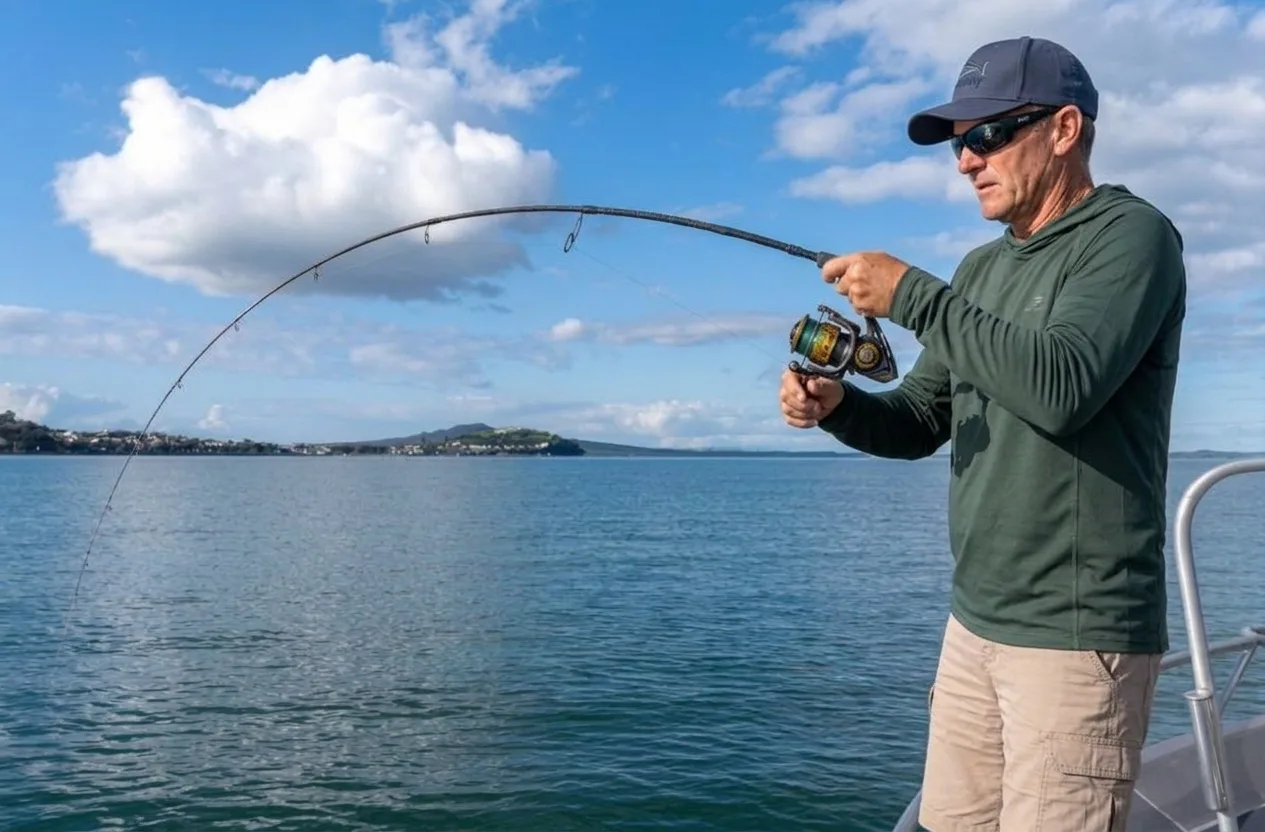
It's easy to assume the best fishing is always somewhere further out. But summer is a great time to explore the water right on Auckland's doorstep.
A light rod, a handful of soft-baits, a bit of fresh bait and some local knowledge might be all you need.
Look for moving water, try the shallow channels, keep an eye out for surface activity and don't be afraid to change spots.
You might be surprised how close to home the fish are.
And if you manage to land a decent snapper with the Auckland skyline in the background, that's a pretty good summer fishing story to take home.